QatarEnergy and ExxonMobil's $10B US project exports first LNG cargo
What happened
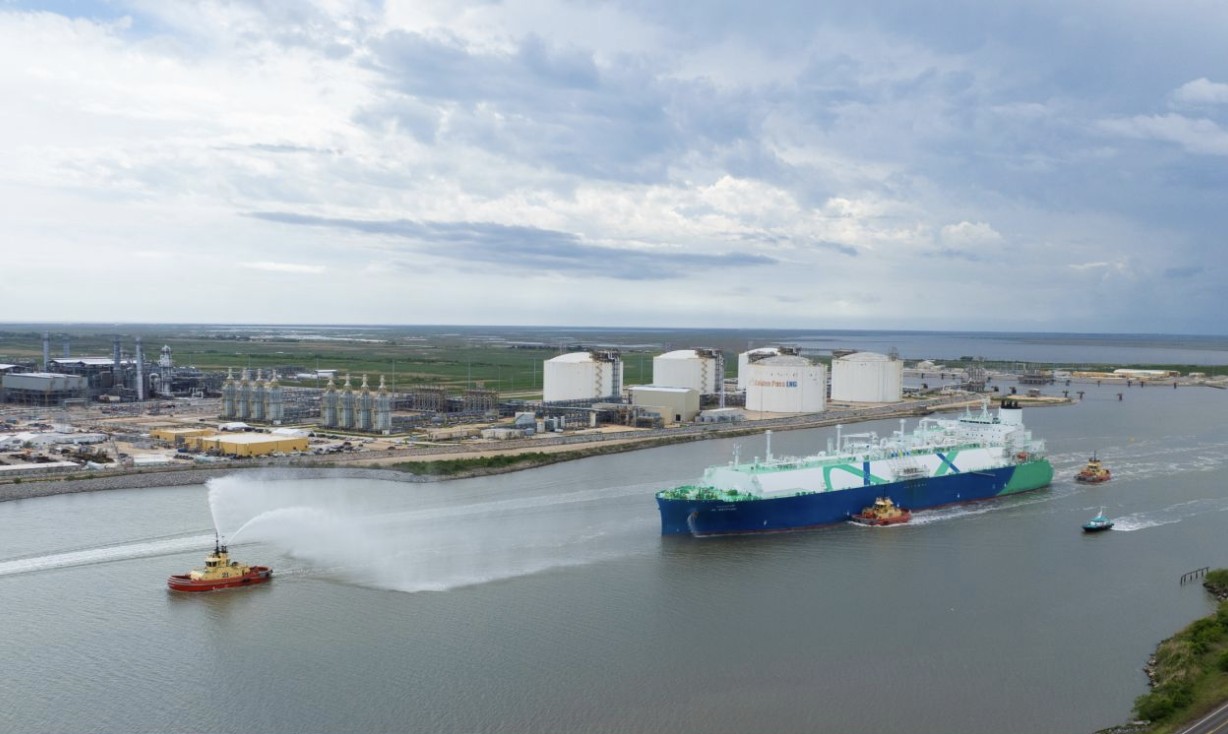
QatarEnergy and ExxonMobil’s Golden Pass project exported its first LNG cargo after Train 1 achieved sustained liquefaction. The departure shifts the facility into active export operations while Trains 2 and 3 continue commissioning, increasing immediate demand for shipping and terminal coordination. Watch whether commissioning of subsequent trains accelerates marine and contractor workload or creates staggered capacity pressure
Buyer takeaway
Treat Train 1 export as the start of real cargo flows; shipping, berth slots and contractor windows need active management rather than passive monitoring
Cost / money
Active exports increase immediate demand for charters and terminal services, which can raise spot and short-notice costs for buyers needing flexibility
Supplier / commercial
Operators and marine contractors may prioritize their own commercial commitments; expect narrower availability windows and stronger negotiation positions for providers handling exports
Safety / operations
Transition to exports increases operational tempo — cargo handling, berth coordination and contractor fatigue risks require verified IMS and clear shore-to-vessel roles
What to watch
Watch for concentrated marine scheduling needs as Trains 2 and 3 enter commissioning; this can create overlapping demands on the same pool of service providers
Key facts
- First LNG cargo loaded from Train 1
- Project continues commissioning on Trains 2 and 3
- Major offtake tied to QatarEnergy Trading
Source excerpts
has exported its first LNG cargo. Source: QatarEnergy via LinkedIn It was reported today, April 23, that the first LNG cargo from the Golden Pass LNG project in Sabine Pass had been loaded onboard QatarEnergy’s Al-Qaiyyah LNG carrier, recently built in Korea, with a capacity of 174,000 cubic meters (cbm)
“The Golden Pass LNG project is one of the single largest investment decisions in the history of the U
S., has exported its first LNG cargo