Rigs & Integrated Drilling · Australia (Perth)

Recalibrate Sourcing as Deepwater Bookings and Supplier Consolidation Rise

Published Apr 24, 2026, 6:02 AM AWSTAPACFull category signal
Ask AI
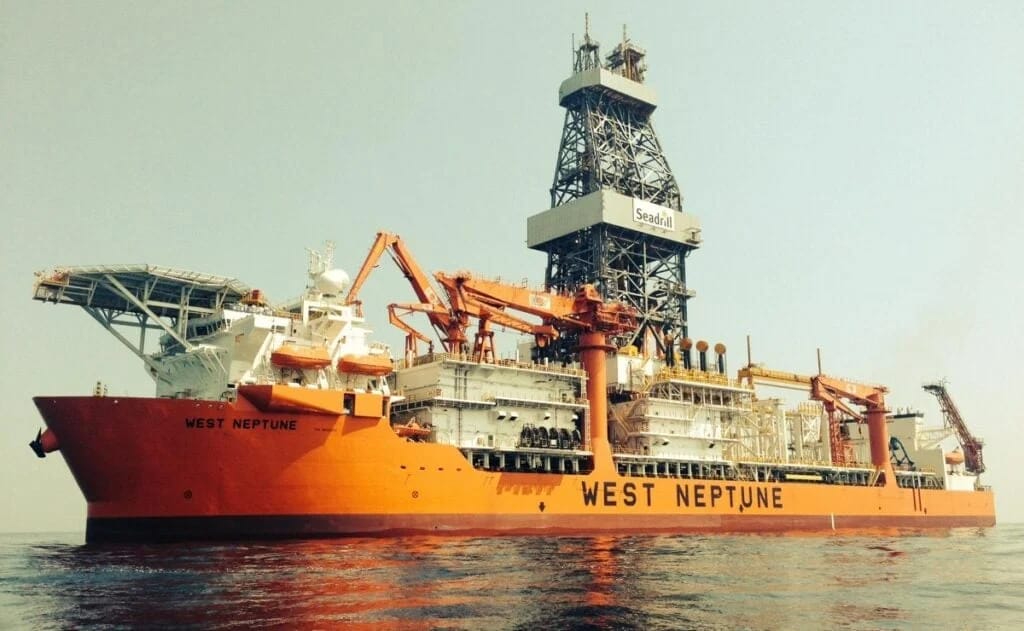
Two deals for ultra-deepwater drillships add $260M to Seadrill's backlog

In 60 seconds

Top move

Seadrill’s multi-month drillship commitments remove floater availability from the open market, which tightens mobilization windows and pushes buyers to reprice short-notice work

Key takeaways

  • Seadrill’s multi-month drillship commitments remove floater availability from the open market, which tightens mobilization windows and pushes buyers to reprice short-notice work.[4]
  • The Helix–Hornbeck merger creates a larger integrated marine/subsea supplier that will encourage bundled proposals; buyers should redesign tenders to preserve competition or capture bundled value.[1]
  • Jan De Nul’s announced trencher newbuild expands future low-emission trenching options but is a medium-term supply increase only; don’t expect immediate relief for APAC vessel tightness.[2]
  • BOEM released a final environmental impact statement for proposed California well stimulation, clarifying analyzed impacts but leaving permit conditions and contractual triggers unresolved.[3]
  • Together these developments signal sustained competition for specialized vessels and integrated crews in sourcing windows — buyers should prioritise lead-time, pass-through terms, and uptime protections.[4]

What changed since last run

  • New since prior: Seadrill booked multi-month drillship programs; Helix–Hornbeck merger announced; Jan De Nul trencher newbuild confirmed; BOEM issued a final EIS for California stimulation.

Key facts

  • West Neptune: 365-day contract extension
  • West Vela: 270-day program with defined start months
  • Adds approximately $260 million to Seadrill’s backlog
  • Combined company to operate from Houston and Covington
  • Post-close ownership split roughly 55% Hornbeck shareholders, 45% Helix shareholders
  • Transaction expected to generate measurable annual revenue and cost synergies

Why it matters

Seadrill’s multi-month drillship commitments remove floater availability from the open market, which tightens mobilization windows and pushes buyers to reprice short-notice work. The Helix–Hornbeck merger creates a larger integrated marine/subsea supplier that will encourage bundled proposals; buyers should redesign tenders to preserve competition or capture bundled value. Jan De Nul’s announced trencher newbuild expands future low-emission trenching options but is a medium-term supply increase only; don’t expect immediate relief for APAC vessel tightness. BOEM released a final environmental impact statement for proposed California well stimulation, clarifying analyzed impacts but leaving permit conditions and contractual triggers unresolved

Cost / money

  • Mobilization and short-notice rates will face upward pressure where floaters are committed long-term; expect tighter windows for negotiating dayrates and mobilization packages.[4]
  • Merged suppliers can offer integrated pricing that looks attractive on paper but may shift cost pass-throughs for niche scopes onto buyers if competition is reduced.[1]

Supplier / commercial

  • Tender architecture risk: combined marine/subsea players will push bundled bids — retain options to split scopes or require competitive subcontracting to protect leverage.[1]
  • Newbuild announcements will be used as competitive differentiation in RFPs for green-capable trenching and cable-lay; update evaluation criteria to reflect long-lead asset availability.[2]

Safety / operations

  • Long-duration drillship programs raise uptime dependency; buyers should validate spares provisioning, crew rotation plans, and maintenance windows in supplier commitments to avoid execution delays.[4][3]
  • The BOEM EIS intensifies expectations for environmental monitoring and mitigation on stimulation work; operational scopes should embed enhanced reporting and contingency responsibilities.[3]

What to watch

  • Watch whether Helix/Hornbeck integration leads to regional fleet redeployment that tightens APAC availability — integration plans are not yet public and this is an early signal.[1]
  • Watch BOEM’s record of decision for specific permit conditions that will determine mitigation cost allocation and schedule constraints on stimulation-linked contracts.[3]

Top stories

Story 1Offshore EnergyApr 22, 2026

Two deals for ultra-deepwater drillships add $260M to Seadrill's backlog

Signal strongSource-grounded

What happened

Seadrill secured extensions and program awards for two ultra-deepwater drillships, adding significant booked floater time to its backlog. The West Neptune received a 365-day extension starting in September and West Vela a 270-day program expected to begin in August, which concretely removes floater capacity from the spot market. Watch whether other floater owners mirror these extensions — that clustering would further reduce short-notice availability in APAC

Buyer takeaway

Treat these bookings as confirmed capacity reductions for near-term windows and shift mobilization planning earlier

Cost / money

Directional upward pressure on mobilization and short-notice dayrates where floater pools tighten, based on added backlog and calendar commitments

Supplier / commercial

Suppliers with committed drillship time gain negotiating leverage on timing and short-validity quotes; include contingency clauses and escalation rights in contracts

Safety / operations

Long-duration programs require sustained HSE resourcing, parts provisioning, and crew rotation planning to avoid uptime impacts

What to watch

Watch for similar extensions at other floater owners and any clustering of start dates that could spike regional demand

Key facts

  • West Neptune: 365-day contract extension
  • West Vela: 270-day program with defined start months
  • Adds approximately $260 million to Seadrill’s backlog

Source excerpts

The West Vela and West Neptune are positioned favorably for availability in 2027 as global floater utilization is expected to improve
West Neptune drillship; Source: Seadrill The West Neptune drillship was awarded a 365-day contract extension, with operations to begin in September, while West Vela was awarded a program with a duration of 270 days, with an expected commencement in August, for deployment in the U
“Securing this backlog enhances revenue visibility and supports free cash flow generation as we navigate near-term softness in the U
Story 2Offshore EnergyApr 23, 2026

Two US players merge into 'premier integrated offshore services company'

Signal strongSource-grounded

What happened

Helix Energy Solutions and Hornbeck Offshore Services announced a merger to create a larger integrated offshore services company operating in marine, subsea and support services. The combined entity will bid bundled marine-plus-subsea solutions and target operational synergies, changing how buyers should structure tenders and subcontracting. Watch announced integration and fleet deployment priorities to see whether regional availability shifts

Buyer takeaway

Expect more bundled proposals from the combined supplier; redesign tenders to keep competitive tension or capture integrated savings

Cost / money

Potential for aggregated pricing advantages in bundled scopes, but also risk of reduced supplier choice pushing prices up for niche services

Supplier / commercial

The merged supplier can offer end-to-end solutions, changing procurement leverage around multi-discipline packages and subcontracting

Safety / operations

Integration may produce operational efficiencies but also transitional resourcing gaps; verify HSE and continuity plans in bids

What to watch

Monitor fleet redeployment and which regions the combined company prioritizes; regional pullback would tighten local supply

Key facts

  • Combined company to operate from Houston and Covington
  • Post-close ownership split roughly 55% Hornbeck shareholders, 45% Helix shareholders
  • Transaction expected to generate measurable annual revenue and cost synergies

Source excerpts

The Board of Directors will comprise seven persons, three from Helix and four from Hornbeck, including Hornbeck
Home Fossil Energy Two US players merge into ‘premier integrated offshore services company’ April 23, 2026, by Texas-headquartered offshore energy services provider Helix Energy Solutions and Hornbeck Offshore Services, a Louisiana-headquartered supplier of offshore transport services, have entered into a definitive agreement to combine in an all-stock transaction, establishing what they say will become a premier integrated offshore services company
“We are confident that by capitalizing on each company’s unique expertise, we will unlock meaningful strategic and operational benefits that enhance our ability to serve customers worldwide and drive significant shareholder value creation,” said Hornbeck. “The combined company will be a growth‑oriented company driven by the desire to provide innovative, high-quality, value-added business solutions with an emphasis on safety and an entrepreneurial culture
Story 3Offshore EnergyApr 23, 2026

Jan De Nul's newbuild trencher bears name of 19th-century British engineer

Signal moderateDirectional

What happened

Jan De Nul named a new trencher newbuild and confirmed construction at China Merchants Heavy Industry, expanding future trenching capability. The vessel will be capable of running on biofuel and green methanol and is targeted for delivery in 2028, which helps future green procurement but does not change near-term capacity constraints. Watch delivery timing and commercial availability windows before relying on this asset for project planning

Buyer takeaway

Factor low-emission capability into future RFPs but secure interim options now because delivery is years away

Cost / money

Long-lead green-capable vessels change future tender evaluation but do not immediately lower current market rates for trenching services

Supplier / commercial

Newbuild announcements can shift tender competition over time as bidders position for future work tied to green credentials

Safety / operations

Modern trenchers reduce certain operational risk profiles, but commissioning and crew training during delivery can present near-term challenges

What to watch

Confirm delivery schedule and commercial availability windows; don’t assume newbuilds relieve current capacity constraints

Key facts

  • New trencher is an Ulstein design built at China Merchants Heavy Industry
  • Vessel capable of biofuel and green methanol operation
  • Targeted delivery expected in 2028

Source excerpts

Home Subsea Jan De Nul’s newbuild trencher bears name of 19th-century British engineer April 23, 2026, by Jan De Nul has named its new trenching support vessel Isambard Kingdom Brunel, after a 19th-century British engineer, who the company describes as one of the key figures of the Industrial Revolution. Source: Jan De Nul Jan De Nul announced on March 10 that it was expanding its fleet with the addition of two trenching support vessels, one newbuild and the other to be converted from a water injection dredger
The newbuild trenching support vessel is of an Ulstein design and will be built at the China Merchants Heavy Industry (CMHI) shipyard. It will be capable of running on biofuel and green methanol, in addition to being equipped with ultra-low emission (ULEv) technology
It will be capable of running on biofuel and green methanol, in addition to being equipped with ultra-low emission (ULEv) technology
Story 4Offshore EnergyApr 23, 2026

BOEM issues environmental review for multi-well stimulation at Californian offshore platform

Signal moderateSource-grounded

What happened

The U.S. Bureau of Ocean Energy Management issued a final environmental impact statement for proposed multi-well stimulation on Platform Gilda off California; the EIS explains analyzed impacts but is not an approval. The EIS was prepared rapidly (28 days after the notice of intent) and a separate record of decision will set permit conditions that determine whether and how work proceeds. Watch the record of decision for mitigation and approval details that must be flowed into contract terms

Buyer takeaway

Don’t assume regulatory permission; include permit-trigger clauses and mitigation cost pass-throughs in scopes tied to stimulation work

Cost / money

Potential for additional mitigation costs and schedule risk if the record of decision includes tighter conditions

Supplier / commercial

Suppliers will price regulatory uncertainty into bids; buyers should clarify who absorbs permit-driven scope changes

Safety / operations

Increased scrutiny means operators and contractors may need enhanced monitoring, reporting, and emergency response provisions

What to watch

Track the timing and content of the record of decision — it will determine final contract terms and operational constraints

Key facts

  • Final EIS issued 28 days after notice of intent publication
  • Platform Gilda located in approximately 205 feet of water
  • EIS evaluates hydraulic fracturing and other well-stimulation treatments but is not an approval

Source excerpts

S. Bureau of Ocean Energy Management (BOEM) has released the final environmental impact statement for proposed offshore well stimulation work at a platform off the coast of California, 28 days after the publication of the notice of intent
BOEM will issue a separate record of decision after reviewing the environmental and other relevant information. “Gold Standard Science and transparency guide every decision we make,” said BOEM Acting Director Matt Giacona
BOEM will issue a separate record of decision after reviewing the environmental and other relevant information

VP Snapshot

Executive Risk & Action View

Seadrill’s multi-month drillship commitments remove floater availability from the open market, which tightens mobilization windows and pushes buyers to reprice short-notice work.

Overall
55
Cost
79
Supply
79
Schedule
20
Compliance
15

Top signals

30-180dcost

Signal 1: Cost / money

Mobilization and short-notice rates will face upward pressure where floaters are committed long-term; expect tighter windows for negotiating dayrates and mobilization packages.

Signal 2: Cost / money

Merged suppliers can offer integrated pricing that looks attractive on paper but may shift cost pass-throughs for niche scopes onto buyers if competition is reduced.

30-180dcommercial

Signal 3: Supplier / commercial

Tender architecture risk: combined marine/subsea players will push bundled bids — retain options to split scopes or require competitive subcontracting to protect leverage.

0-30dsupply

Signal 4: Supplier / commercial

Newbuild announcements will be used as competitive differentiation in RFPs for green-capable trenching and cable-lay; update evaluation criteria to reflect long-lead asset availability.

30-180dsupply

Signal 5: Safety / operations

Long-duration drillship programs raise uptime dependency; buyers should validate spares provisioning, crew rotation plans, and maintenance windows in supplier commitments to avoid execution delays.

30-180dsupplier

Signal 6: Safety / operations

The BOEM EIS intensifies expectations for environmental monitoring and mitigation on stimulation work; operational scopes should embed enhanced reporting and contingency responsibilities.

Recommended actions

CategoryDue 3d

Verify current and committed mobilization windows with primary floater and deepwater suppliers.

Updated supplier availability matrix and realistic mobilization dates for upcoming tenders

ContractsDue 21d

Redesign upcoming RFPs to allow split and bundled scoring, and require bidders to identify subcontracting options to preserve competition.

Tender documents that maintain competitive tension while allowing integrated offers

LegalDue 21d

Insert permit-contingent scope language and environmental mitigation pass-through terms into stimulation-related contracts and pre-qualification questionnaires.

Contracts with clear permit-triggered scope adjustments and cost allocation mechanisms

CategoryDue 60d

Start a long-lead sourcing assessment for trenching and cable-lay services and engage regional partners for interim coverage and future newbuild access.

Shortlist of regional suppliers or MOUs to fill medium-term trenching windows

OpsDue 60d

Review and update uptime-dependent contract clauses for multi-month floater engagements to include spare parts commitments, crew-rotation plans, and performance incentives.

Contracts that better align supplier incentives with uptime and decrease execution slippage

Risk register

RiskTriggerMitigation
Watch whether Helix/Hornbeck integration leads to regional fleet redeployment that tightens APAC availability — integration plans are not yet public and this is an early signal.Watch whether Helix/Hornbeck integration leads to regional fleet redeployment that tightens APAC availability — integration plans are not yet public and this is an early signal.Confirm exposure with category, contracts, and operations before the next supplier commitment.
Watch BOEM’s record of decision for specific permit conditions that will determine mitigation cost allocation and schedule constraints on stimulation-linked contracts.Watch BOEM’s record of decision for specific permit conditions that will determine mitigation cost allocation and schedule constraints on stimulation-linked contracts.Confirm exposure with category, contracts, and operations before the next supplier commitment.

CM Snapshot

Category Manager Decision Detail

Today's priorities

Verify current and committed mobilization windows with primary floater and deepwater suppliers.

because Seadrill’s multi-month bookings reduce available floater days and can compress preferred supplier windows, so knowing actual availability avoids bidding on impossible dates.

Due 3d

high

CM move

Use this as the immediate supplier or contract action to move before the next sourcing gate.

Redesign upcoming RFPs to allow split and bundled scoring, and require bidders to identify subcontracting options to preserve competition.

because the Helix–Hornbeck merger increases the likelihood of integrated single-award proposals and buyers need tender mechanics that retain leverage.

Due 21d

high

CM move

Use this as the immediate supplier or contract action to move before the next sourcing gate.

Insert permit-contingent scope language and environmental mitigation pass-through terms into stimulation-related contracts and pre-qualification questionnaires.

because BOEM’s final EIS clarifies impacts but the record-of-decision could add mitigation obligations that must be allocated before award.

Due 21d

high

CM move

Use this as the immediate supplier or contract action to move before the next sourcing gate.

Start a long-lead sourcing assessment for trenching and cable-lay services and engage regional partners for interim coverage and future newbuild access.

because Jan De Nul’s trencher is a future capacity signal and delivery timelines mean buyers need interim options to cover near-term project windows.

Due 60d

high

CM move

Use this as the immediate supplier or contract action to move before the next sourcing gate.

Supplier radar

Offshore Energy

high

Observed supplier signal

Tender architecture risk: combined marine/subsea players will push bundled bids — retain options to split scopes or require competitive subcontracting to protect leverage.

Commercial implication

Tender architecture risk: combined marine/subsea players will push bundled bids — retain options to split scopes or require competitive subcontracting to protect leverage.

Next step: Validate the source-backed signal with incumbents and alternates before the next award or pricing decision.

Offshore Energy

high

Observed supplier signal

Newbuild announcements will be used as competitive differentiation in RFPs for green-capable trenching and cable-lay; update evaluation criteria to reflect long-lead asset availability.

Commercial implication

Newbuild announcements will be used as competitive differentiation in RFPs for green-capable trenching and cable-lay; update evaluation criteria to reflect long-lead asset availability.

Next step: Validate the source-backed signal with incumbents and alternates before the next award or pricing decision.

Negotiation levers

Verify current and committed mobilization windows with primary floater and deepwater suppliers.

When to use: because Seadrill’s multi-month bookings reduce available floater days and can compress preferred supplier windows, so knowing actual availability avoids bidding on impossible dates.

Expected outcome: Updated supplier availability matrix and realistic mobilization dates for upcoming tenders

Commercial mechanism to carry into the next supplier conversation

Redesign upcoming RFPs to allow split and bundled scoring, and require bidders to identify subcontracting options to preserve competition.

When to use: because the Helix–Hornbeck merger increases the likelihood of integrated single-award proposals and buyers need tender mechanics that retain leverage.

Expected outcome: Tender documents that maintain competitive tension while allowing integrated offers

Commercial mechanism to carry into the next supplier conversation

Insert permit-contingent scope language and environmental mitigation pass-through terms into stimulation-related contracts and pre-qualification questionnaires.

When to use: because BOEM’s final EIS clarifies impacts but the record-of-decision could add mitigation obligations that must be allocated before award.

Expected outcome: Contracts with clear permit-triggered scope adjustments and cost allocation mechanisms

Commercial mechanism to carry into the next supplier conversation

Start a long-lead sourcing assessment for trenching and cable-lay services and engage regional partners for interim coverage and future newbuild access.

When to use: because Jan De Nul’s trencher is a future capacity signal and delivery timelines mean buyers need interim options to cover near-term project windows.

Expected outcome: Shortlist of regional suppliers or MOUs to fill medium-term trenching windows

Commercial mechanism to carry into the next supplier conversation

Talking points

Seadrill’s multi-month drillship commitments remove floater availability from the open market, which tightens mobilization windows and pushes buyers to reprice short-notice work.
The Helix–Hornbeck merger creates a larger integrated marine/subsea supplier that will encourage bundled proposals; buyers should redesign tenders to preserve competition or capture bundled value.
Jan De Nul’s announced trencher newbuild expands future low-emission trenching options but is a medium-term supply increase only; don’t expect immediate relief for APAC vessel tightness.
BOEM released a final environmental impact statement for proposed California well stimulation, clarifying analyzed impacts but leaving permit conditions and contractual triggers unresolved.

Supplier radar

SupplierSignalImplicationNext stepConfidence
Offshore EnergyTender architecture risk: combined marine/subsea players will push bundled bids — retain options to split scopes or require competitive subcontracting to protect leverage.Tender architecture risk: combined marine/subsea players will push bundled bids — retain options to split scopes or require competitive subcontracting to protect leverage.Validate the source-backed signal with incumbents and alternates before the next award or pricing decision.high
Offshore EnergyNewbuild announcements will be used as competitive differentiation in RFPs for green-capable trenching and cable-lay; update evaluation criteria to reflect long-lead asset availability.Newbuild announcements will be used as competitive differentiation in RFPs for green-capable trenching and cable-lay; update evaluation criteria to reflect long-lead asset availability.Validate the source-backed signal with incumbents and alternates before the next award or pricing decision.high

Negotiation levers

  • Verify current and committed mobilization windows with primary floater and deepwater suppliers.because Seadrill’s multi-month bookings reduce available floater days and can compress preferred supplier windows, so knowing actual availability avoids bidding on impossible dates.Updated supplier availability matrix and realistic mobilization dates for upcoming tenders

    high confidence

  • Redesign upcoming RFPs to allow split and bundled scoring, and require bidders to identify subcontracting options to preserve competition.because the Helix–Hornbeck merger increases the likelihood of integrated single-award proposals and buyers need tender mechanics that retain leverage.Tender documents that maintain competitive tension while allowing integrated offers

    high confidence

  • Insert permit-contingent scope language and environmental mitigation pass-through terms into stimulation-related contracts and pre-qualification questionnaires.because BOEM’s final EIS clarifies impacts but the record-of-decision could add mitigation obligations that must be allocated before award.Contracts with clear permit-triggered scope adjustments and cost allocation mechanisms

    high confidence

  • Start a long-lead sourcing assessment for trenching and cable-lay services and engage regional partners for interim coverage and future newbuild access.because Jan De Nul’s trencher is a future capacity signal and delivery timelines mean buyers need interim options to cover near-term project windows.Shortlist of regional suppliers or MOUs to fill medium-term trenching windows

    high confidence

What to do / What to watch

What to do now

  • Verify current and committed mobilization windows with primary floater and deepwater suppliers.

    Why: because Seadrill’s multi-month bookings reduce available floater days and can compress preferred supplier windows, so knowing actual availability avoids bidding on impossible dates.

    Owner: Category

    Expected outcome: Updated supplier availability matrix and realistic mobilization dates for upcoming tenders

    [4]

Next few weeks

  • Redesign upcoming RFPs to allow split and bundled scoring, and require bidders to identify subcontracting options to preserve competition.

    Why: because the Helix–Hornbeck merger increases the likelihood of integrated single-award proposals and buyers need tender mechanics that retain leverage.

    Owner: Contracts

    Expected outcome: Tender documents that maintain competitive tension while allowing integrated offers

    [1]
  • Insert permit-contingent scope language and environmental mitigation pass-through terms into stimulation-related contracts and pre-qualification questionnaires.

    Why: because BOEM’s final EIS clarifies impacts but the record-of-decision could add mitigation obligations that must be allocated before award.

    Owner: Legal

    Expected outcome: Contracts with clear permit-triggered scope adjustments and cost allocation mechanisms

    [3]

Longer view

  • Start a long-lead sourcing assessment for trenching and cable-lay services and engage regional partners for interim coverage and future newbuild access.

    Why: because Jan De Nul’s trencher is a future capacity signal and delivery timelines mean buyers need interim options to cover near-term project windows.

    Owner: Category

    Expected outcome: Shortlist of regional suppliers or MOUs to fill medium-term trenching windows

    [2]
  • Review and update uptime-dependent contract clauses for multi-month floater engagements to include spare parts commitments, crew-rotation plans, and performance incentives.

    Why: because extended drillship engagements increase execution dependency and aligning incentives reduces outage and schedule risk.

    Owner: Ops

    Expected outcome: Contracts that better align supplier incentives with uptime and decrease execution slippage

    [4]

What to watch

  • Watch whether Helix/Hornbeck integration leads to regional fleet redeployment that tightens APAC availability — integration plans are not yet public and this is an early signal
  • Watch BOEM’s record of decision for specific permit conditions that will determine mitigation cost allocation and schedule constraints on stimulation-linked contracts
  • Watch whether Helix/Hornbeck integration leads to regional fleet redeployment that tightens APAC availability — integration plans are not yet public and this is an early signal.: Watch whether Helix/Hornbeck integration leads to regional fleet redeployment that tightens APAC availability — integration plans are not yet public and this is an early signal
  • Watch BOEM’s record of decision for specific permit conditions that will determine mitigation cost allocation and schedule constraints on stimulation-linked contracts.: Watch BOEM’s record of decision for specific permit conditions that will determine mitigation cost allocation and schedule constraints on stimulation-linked contracts
  • Seadrill’s multi-month drillship commitments remove floater availability from the open market, which tightens mobilization windows and pushes buyers to reprice short-notice work
  • The Helix–Hornbeck merger creates a larger integrated marine/subsea supplier that will encourage bundled proposals; buyers should redesign tenders to preserve competition or capture bundled value
  • Jan De Nul’s announced trencher newbuild expands future low-emission trenching options but is a medium-term supply increase only; don’t expect immediate relief for APAC vessel tightness
  • BOEM released a final environmental impact statement for proposed California well stimulation, clarifying analyzed impacts but leaving permit conditions and contractual triggers unresolved

Market pulse

IndexLatestChangeAs of
WTI Crude (WTI)71.23 /bbl+0.00 (+0.00%)Apr 23, 2026, 10:05 PM
Brent Crude (BRENT)74.89 /bbl+0.00 (+0.00%)Apr 23, 2026, 10:05 PM
Natural Gas (NG)3.12 /MMBtu+0.00 (+0.00%)Apr 23, 2026, 10:05 PM
Transocean (RIG)4.5 +0.00 (+0.00%)Apr 23, 2026, 10:05 PM
Valaris (VAL)52 +0.00 (+0.00%)Apr 23, 2026, 10:05 PM
  • Transocean: Floater owner booking activity is directly relevant to fleet utilization and regional mobilization availability
  • WTI Crude: Crude price direction affects operator capex decisions that flow into rig and vessel demand

Sources

Inline citations jump here. Expand a source to read the excerpt, the AI interpretation, and the original link.

[1] Two US players merge into 'premier integrated offshore services company'

offshore-energy.biz · Apr 23, 2026

Expand

AI reading

Helix Energy Solutions and Hornbeck Offshore Services announced a merger to create a larger integrated offshore services company operating in marine, subsea and support services. The combined entity will bid bundled marine-plus-subsea solutions and target operational synergies, changing how buyers should structure tenders and subcontracting. Watch announced integration and fleet deployment priorities to see whether regional availability shifts

Buyer takeaway

Expect more bundled proposals from the combined supplier; redesign tenders to keep competitive tension or capture integrated savings

Cost / money

Potential for aggregated pricing advantages in bundled scopes, but also risk of reduced supplier choice pushing prices up for niche services

Supplier / commercial

The merged supplier can offer end-to-end solutions, changing procurement leverage around multi-discipline packages and subcontracting

Safety / operations

Integration may produce operational efficiencies but also transitional resourcing gaps; verify HSE and continuity plans in bids

What to watch

Monitor fleet redeployment and which regions the combined company prioritizes; regional pullback would tighten local supply

Key facts

  • Combined company to operate from Houston and Covington
  • Post-close ownership split roughly 55% Hornbeck shareholders, 45% Helix shareholders
  • Transaction expected to generate measurable annual revenue and cost synergies

Source excerpts

The Board of Directors will comprise seven persons, three from Helix and four from Hornbeck, including Hornbeck
Home Fossil Energy Two US players merge into ‘premier integrated offshore services company’ April 23, 2026, by Texas-headquartered offshore energy services provider Helix Energy Solutions and Hornbeck Offshore Services, a Louisiana-headquartered supplier of offshore transport services, have entered into a definitive agreement to combine in an all-stock transaction, establishing what they say will become a premier integrated offshore services company
“We are confident that by capitalizing on each company’s unique expertise, we will unlock meaningful strategic and operational benefits that enhance our ability to serve customers worldwide and drive significant shareholder value creation,” said Hornbeck. “The combined company will be a growth‑oriented company driven by the desire to provide innovative, high-quality, value-added business solutions with an emphasis on safety and an entrepreneurial culture

Used in this brief

  • Next 2-4 weeks — Redesign upcoming RFPs to allow split and bundled scoring, and require bidders to identify subcontracting options to preserve competition.. Rationale: because the Helix–Hornbeck merger increases the likelihood of integrated single-award proposals and buyers need tender mechanics that retain leverage.. Owner: Contracts. KPI: Tender documents that maintain competitive tension while allowing integrated offers
  • Watch whether Helix/Hornbeck integration leads to regional fleet redeployment that tightens APAC availability — integration plans are not yet public and this is an early signal
  • Helix Energy Solutions and Hornbeck Offshore Services announced a merger to create a larger integrated offshore services company operating in marine, subsea and support services. The combined entity will bid bundled marine-plus-subsea solutions and target operational synergies, changing how buyers should structure tenders and subcontracting. Watch announced integration and fleet deployment priorities to see whether regional availability shifts
Open original source

[2] Jan De Nul's newbuild trencher bears name of 19th-century British engineer

offshore-energy.biz · Apr 23, 2026

Expand

AI reading

Jan De Nul named a new trencher newbuild and confirmed construction at China Merchants Heavy Industry, expanding future trenching capability. The vessel will be capable of running on biofuel and green methanol and is targeted for delivery in 2028, which helps future green procurement but does not change near-term capacity constraints. Watch delivery timing and commercial availability windows before relying on this asset for project planning

Buyer takeaway

Factor low-emission capability into future RFPs but secure interim options now because delivery is years away

Cost / money

Long-lead green-capable vessels change future tender evaluation but do not immediately lower current market rates for trenching services

Supplier / commercial

Newbuild announcements can shift tender competition over time as bidders position for future work tied to green credentials

Safety / operations

Modern trenchers reduce certain operational risk profiles, but commissioning and crew training during delivery can present near-term challenges

What to watch

Confirm delivery schedule and commercial availability windows; don’t assume newbuilds relieve current capacity constraints

Key facts

  • New trencher is an Ulstein design built at China Merchants Heavy Industry
  • Vessel capable of biofuel and green methanol operation
  • Targeted delivery expected in 2028

Source excerpts

Home Subsea Jan De Nul’s newbuild trencher bears name of 19th-century British engineer April 23, 2026, by Jan De Nul has named its new trenching support vessel Isambard Kingdom Brunel, after a 19th-century British engineer, who the company describes as one of the key figures of the Industrial Revolution. Source: Jan De Nul Jan De Nul announced on March 10 that it was expanding its fleet with the addition of two trenching support vessels, one newbuild and the other to be converted from a water injection dredger
The newbuild trenching support vessel is of an Ulstein design and will be built at the China Merchants Heavy Industry (CMHI) shipyard. It will be capable of running on biofuel and green methanol, in addition to being equipped with ultra-low emission (ULEv) technology
It will be capable of running on biofuel and green methanol, in addition to being equipped with ultra-low emission (ULEv) technology

Used in this brief

  • Next quarter — Start a long-lead sourcing assessment for trenching and cable-lay services and engage regional partners for interim coverage and future newbuild access.. Rationale: because Jan De Nul’s trencher is a future capacity signal and delivery timelines mean buyers need interim options to cover near-term project windows.. Owner: Category. KPI: Shortlist of regional suppliers or MOUs to fill medium-term trenching windows
  • New since prior: Seadrill booked multi-month drillship programs; Helix–Hornbeck merger announced; Jan De Nul trencher newbuild confirmed; BOEM issued a final EIS for California stimulation
  • Jan De Nul named a new trencher newbuild and confirmed construction at China Merchants Heavy Industry, expanding future trenching capability. The vessel will be capable of running on biofuel and green methanol and is targeted for delivery in 2028, which helps future green procurement but does not change near-term capacity constraints. Watch delivery timing and commercial availability windows before relying on this asset for project planning
Open original source

[3] BOEM issues environmental review for multi-well stimulation at Californian offshore platform

offshore-energy.biz · Apr 23, 2026

Expand

AI reading

The U.S. Bureau of Ocean Energy Management issued a final environmental impact statement for proposed multi-well stimulation on Platform Gilda off California; the EIS explains analyzed impacts but is not an approval. The EIS was prepared rapidly (28 days after the notice of intent) and a separate record of decision will set permit conditions that determine whether and how work proceeds. Watch the record of decision for mitigation and approval details that must be flowed into contract terms

Buyer takeaway

Don’t assume regulatory permission; include permit-trigger clauses and mitigation cost pass-throughs in scopes tied to stimulation work

Cost / money

Potential for additional mitigation costs and schedule risk if the record of decision includes tighter conditions

Supplier / commercial

Suppliers will price regulatory uncertainty into bids; buyers should clarify who absorbs permit-driven scope changes

Safety / operations

Increased scrutiny means operators and contractors may need enhanced monitoring, reporting, and emergency response provisions

What to watch

Track the timing and content of the record of decision — it will determine final contract terms and operational constraints

Key facts

  • Final EIS issued 28 days after notice of intent publication
  • Platform Gilda located in approximately 205 feet of water
  • EIS evaluates hydraulic fracturing and other well-stimulation treatments but is not an approval

Source excerpts

S. Bureau of Ocean Energy Management (BOEM) has released the final environmental impact statement for proposed offshore well stimulation work at a platform off the coast of California, 28 days after the publication of the notice of intent
BOEM will issue a separate record of decision after reviewing the environmental and other relevant information. “Gold Standard Science and transparency guide every decision we make,” said BOEM Acting Director Matt Giacona
BOEM will issue a separate record of decision after reviewing the environmental and other relevant information

Used in this brief

  • Seadrill’s multi-month drillship commitments remove floater availability from the open market, which tightens mobilization windows and pushes buyers to reprice short-notice work. The Helix–Hornbeck merger creates a larger integrated marine/subsea supplier that will encourage bundled proposals; buyers should redesign tenders to preserve competition or capture bundled value. Jan De Nul’s announced trencher newbuild expands future low-emission trenching options but is a medium-term supply increase only; don’t expect immediate relief for APAC vessel tightness. BOEM released a final environmental impact statement for proposed California well stimulation, clarifying analyzed impacts but leaving permit conditions and contractual triggers unresolved
  • What to watch: Watch BOEM’s record of decision for specific permit conditions that will determine mitigation cost allocation and schedule constraints on stimulation-linked contracts
  • Next 2-4 weeks — Insert permit-contingent scope language and environmental mitigation pass-through terms into stimulation-related contracts and pre-qualification questionnaires.. Rationale: because BOEM’s final EIS clarifies impacts but the record-of-decision could add mitigation obligations that must be allocated before award.. Owner: Legal. KPI: Contracts with clear permit-triggered scope adjustments and cost allocation mechanisms
Open original source

[4] Two deals for ultra-deepwater drillships add $260M to Seadrill's backlog

offshore-energy.biz · Apr 22, 2026

Expand

AI reading

Seadrill secured extensions and program awards for two ultra-deepwater drillships, adding significant booked floater time to its backlog. The West Neptune received a 365-day extension starting in September and West Vela a 270-day program expected to begin in August, which concretely removes floater capacity from the spot market. Watch whether other floater owners mirror these extensions — that clustering would further reduce short-notice availability in APAC

Buyer takeaway

Treat these bookings as confirmed capacity reductions for near-term windows and shift mobilization planning earlier

Cost / money

Directional upward pressure on mobilization and short-notice dayrates where floater pools tighten, based on added backlog and calendar commitments

Supplier / commercial

Suppliers with committed drillship time gain negotiating leverage on timing and short-validity quotes; include contingency clauses and escalation rights in contracts

Safety / operations

Long-duration programs require sustained HSE resourcing, parts provisioning, and crew rotation planning to avoid uptime impacts

What to watch

Watch for similar extensions at other floater owners and any clustering of start dates that could spike regional demand

Key facts

  • West Neptune: 365-day contract extension
  • West Vela: 270-day program with defined start months
  • Adds approximately $260 million to Seadrill’s backlog

Source excerpts

The West Vela and West Neptune are positioned favorably for availability in 2027 as global floater utilization is expected to improve
West Neptune drillship; Source: Seadrill The West Neptune drillship was awarded a 365-day contract extension, with operations to begin in September, while West Vela was awarded a program with a duration of 270 days, with an expected commencement in August, for deployment in the U
“Securing this backlog enhances revenue visibility and supports free cash flow generation as we navigate near-term softness in the U

Used in this brief

  • Next 72 hours — Verify current and committed mobilization windows with primary floater and deepwater suppliers.. Rationale: because Seadrill’s multi-month bookings reduce available floater days and can compress preferred supplier windows, so knowing actual availability avoids bidding on impossible dates.. Owner: Category. KPI: Updated supplier availability matrix and realistic mobilization dates for upcoming tenders
  • Next quarter — Review and update uptime-dependent contract clauses for multi-month floater engagements to include spare parts commitments, crew-rotation plans, and performance incentives.. Rationale: because extended drillship engagements increase execution dependency and aligning incentives reduces outage and schedule risk.. Owner: Ops. KPI: Contracts that better align supplier incentives with uptime and decrease execution slippage
  • Seadrill secured extensions and program awards for two ultra-deepwater drillships, adding significant booked floater time to its backlog. The West Neptune received a 365-day extension starting in September and West Vela a 270-day program expected to begin in August, which concretely removes floater capacity from the spot market. Watch whether other floater owners mirror these extensions — that clustering would further reduce short-notice availability in APAC
Open original source

[5] Transocean

finance.yahoo.com · n.d.

Expand

[6] WTI Crude

finance.yahoo.com · n.d.

Expand