Projects (EPC/EPCM & Construction) · Australia (Perth)

Reassess supplier capacity and contract levers for offshore projects

Published Apr 24, 2026, 6:00 AM AWSTAPACFull category signal
Ask AI
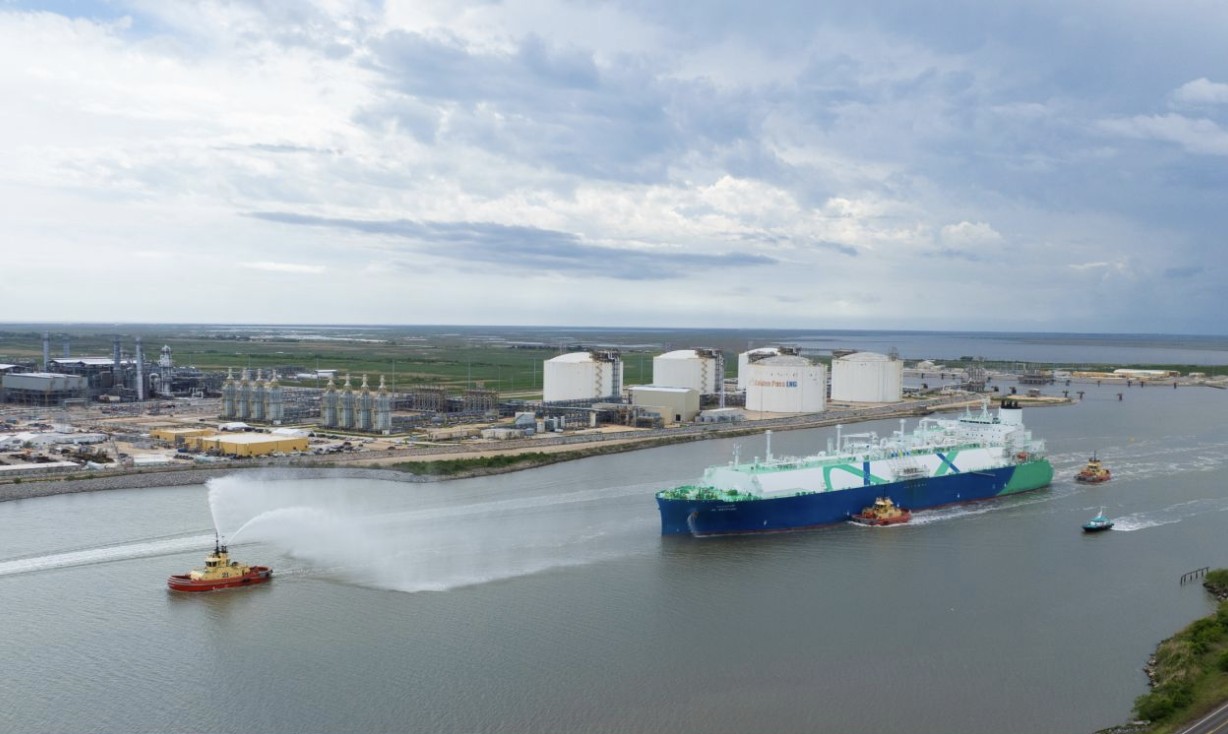
QatarEnergy and ExxonMobil's $10B US project exports first LNG cargo

In 60 seconds

Top move

Golden Pass moved from first‑gas to first‑cargo while EPC contractors continue work on follow‑on trains, which concretely keeps specialist fabrication, cryogenic and commissioning capacity occupied and shortens acceptable mobilization windows

Key takeaways

  • Golden Pass moved from first‑gas to first‑cargo while EPC contractors continue work on follow‑on trains, which concretely keeps specialist fabrication, cryogenic and commissioning capacity occupied and shortens acceptable mobilization windows.[1]
  • The Helix–Hornbeck merger creates a larger integrated marine services supplier that can bundle vessels plus engineered services, reducing the number of independent charter alternatives and shifting negotiating leverage.[2]
  • Confirmed long‑lead equipment orders for ultra‑large cable‑laying vessels indicate committed shipyard and OEM capacity that will constrain availability for similar APAC installation programs unless sourced early.[3]
  • Multi‑year integrated service awards with digital oversight (topside services) show suppliers are packaging accountability and may ask for longer commitments or premium pricing to cover end‑to‑end SLAs.[4]
  • Other awards (deepwater drillship programs and decommissioning contracts) are reallocating crews and assets regionally; this is operationally real but is not a broad supply shock today.[5]

What changed since last run

  • Added Golden Pass first‑cargo export and ongoing work on trains 2 and 3 as a live multi‑train demand signal (Article 1).
  • Logged the Helix and Hornbeck merger, which materially changes the US-origin marine services competitive set (Article 5).
  • Recorded MacGregor long‑lead equipment orders for Türkiye-built CLVs and their implications for vessel‑dependent installation windows (Article 6).

Key facts

  • First LNG cargo loaded following first‑train sustained liquefaction
  • Project continues construction and commissioning on trains 2 and 3
  • Major EPC contractors remain engaged on follow‑on trains
  • Merger creates a combined company headquartered in US Gulf locations
  • Management and board positions agreed to reflect combined ownership
  • Company positions itself to deliver integrated vessel and engineered solutions

Why it matters

Golden Pass moved from first‑gas to first‑cargo while EPC contractors continue work on follow‑on trains, which concretely keeps specialist fabrication, cryogenic and commissioning capacity occupied and shortens acceptable mobilization windows. The Helix–Hornbeck merger creates a larger integrated marine services supplier that can bundle vessels plus engineered services, reducing the number of independent charter alternatives and shifting negotiating leverage. Confirmed long‑lead equipment orders for ultra‑large cable‑laying vessels indicate committed shipyard and OEM capacity that will constrain availability for similar APAC installation programs unless sourced early. Multi‑year integrated service awards with digital oversight (topside services) show suppliers are packaging accountability and may ask for longer commitments or premium pricing to cover end‑to‑end SLAs

Cost / money

  • Active multi‑train LNG commissioning reduces buyer room to wait for lower quotes on specialist scopes because EPCs will prioritise follow‑on train schedules and lock subcontractors earlier.[1]
  • Long‑lead CLV equipment and shipyard bookings increase exposure to locked pricing and escalation pass‑throughs because vendors and shipyards set delivery windows well ahead of installations.[3]
  • Consolidation among marine suppliers can push up charter and bundled‑service premiums because the merged player can offer integrated packages and reduce competitive pressure.[2]

Supplier / commercial

  • Merged suppliers will be able to bid broader scopes (vessel + engineered services), shifting negotiating leverage toward full‑service offers and complicating segmented tender strategies.[2]
  • Integrated service providers using digital platforms will price for end‑to‑end accountability and may require longer‑term commitments or minimum scopes to justify single‑operator SLAs.[4]

Safety / operations

  • Compressed commissioning and sequential train activity can compress crew rotations, spares provisioning and permit timelines, increasing operational readiness risk unless verified in advance.[1]
  • Dependency on specialized deck machinery and winches ties safe installation sequencing to equipment delivery; delayed hardware risks compressing offshore work and complicating safe execution.[3]

What to watch

  • Watch for regional reallocation of deepwater vessels and crews post‑merger that could reduce APAC charter options — this is an early signal to model exposure.[2]
  • Watch whether major EPCs formally lock supplier commitments for Golden Pass follow‑on trains; early reservations would narrow competitive sourcing windows for similar specialist work.[1]

Top stories

Story 1Offshore EnergyApr 23, 2026

QatarEnergy and ExxonMobil's $10B US project exports first LNG cargo

Signal strongSource-grounded

What happened

QatarEnergy and ExxonMobil's Golden Pass exported its first LNG cargo after achieving sustained liquefaction on the first train. EPC contractors are continuing construction and commissioning on trains 2 and 3, making this an active multi‑train program rather than a one‑off milestone; watch whether contractors formalize supplier reservations for follow‑on trains

Buyer takeaway

Treat the first‑cargo milestone as an ongoing demand signal because follow‑on trains will claim specialist contractor capacity quickly

Cost / money

Directionally increases short‑term pressure on specialist scope pricing because contractors prioritise follow‑on train schedules

Supplier / commercial

Expect suppliers to shorten quote validity and push for earlier awards to secure work on subsequent trains

Safety / operations

Compressed mobilization and commissioning windows raise readiness requirements; confirm permits, crew rotations and spare parts ahead of handover

What to watch

Watch for formal supplier capacity reservations or early‑award notices that reduce competitive sourcing options

Key facts

  • First LNG cargo loaded following first‑train sustained liquefaction
  • Project continues construction and commissioning on trains 2 and 3
  • Major EPC contractors remain engaged on follow‑on trains

Source excerpts

S. View post tag: exxonmobil View post tag: Golden Pass LNG View post tag: LNG View post tag: QatarEnergy View post tag: texas
QatarEnergy Trading, QatarEnergy’s wholly owned LNG trading entity, will offtake 70% of the project’s LNG production capacity. Following the first LNG on Train 1, the main engineering, procurement, and construction (EPC) contractors for the project, U
“The Golden Pass LNG project is one of the single largest investment decisions in the history of the U
Story 2Offshore EnergyApr 23, 2026

Two US players merge into 'premier integrated offshore services company'

Signal moderateSource-grounded

What happened

Helix Energy Solutions and Hornbeck Offshore Services announced a merger to create a larger integrated offshore vessel and services company. The combined business will offer engineered solutions and scale across deepwater fleets, changing the competitive set for marine contractors; watch how regional vessel allocation and bundled offers are priced post‑close

Buyer takeaway

Expect fewer independent options for certain engineered marine packages and plan alternate sourcing or stronger contractual protections

Cost / money

Potential upward pressure on charter premiums and bundled service pricing because the combined player can offer integrated scopes

Supplier / commercial

The merged supplier may prefer multi‑scope deals (vessel+services) that reduce competition on individual service lines

Safety / operations

Bundling under a single operator can improve accountability and reduce interface errors if managed correctly

What to watch

Early signal: monitor regional asset allocation and whether the company withdraws older tonnage from pooled availability

Key facts

  • Merger creates a combined company headquartered in US Gulf locations
  • Management and board positions agreed to reflect combined ownership
  • Company positions itself to deliver integrated vessel and engineered solutions

Source excerpts

Home Fossil Energy Two US players merge into ‘premier integrated offshore services company’ April 23, 2026, by Texas-headquartered offshore energy services provider Helix Energy Solutions and Hornbeck Offshore Services, a Louisiana-headquartered supplier of offshore transport services, have entered into a definitive agreement to combine in an all-stock transaction, establishing what they say will become a premier integrated offshore services company
“In merging two proven industry leaders with industry-leading teams, assets and offerings, this transaction creates a global deepwater vessel and services company with the scale and capabilities to deliver sustainable, long-term growth,” said Owen Kratz, President and CEO of Helix
” According to Helix, the merger will combine Helix’s well intervention assets and robotics with Hornbeck’s specialty and ultra-high specification offshore support vessels to form a complementary, end-to-end service offering that meets a broader share of clients’ deepwater needs
Story 3Offshore EnergyApr 23, 2026

MacGregor equipment ordered for ultra-large Türkiye-built CLVs

Signal moderateSource-grounded

What happened

MacGregor received orders for deck and cable‑laying machinery for ultra‑large cable‑laying vessels being built in Türkiye. The order is recorded in recent company orders with delivery set against multi‑year shipyard schedules, which makes the equipment and build slots committed and impactful for future cable installation availability

Buyer takeaway

Long‑lead, single‑source equipment orders create execution dependencies; buyers must surface substitution and contingency options early

Cost / money

Locks in supplier lead times and raises exposure to pass‑throughs if shipyard or equipment delays occur

Supplier / commercial

Vessel OEMs and deck‑equipment suppliers will prioritise follow‑on customers once build slots are committed

Safety / operations

Delays in critical deck machinery risk shifting installation windows and compressing offshore work periods

What to watch

Monitor shipyard and delivery milestones closely; replacement or charter alternatives will be limited once slots are committed

Key facts

  • MacGregor package secured for ultra‑large Türkiye‑built cable‑laying vessels
  • Order booked into company first‑quarter orders with multi‑year delivery timeline
  • Vessel construction at Tersan Shipyard ties up shipyard and equipment capacity

Source excerpts

Source: MacGregor The specialized package will include offshore deck machinery tailored specifically for cable-laying activities and merchant deck machinery, high-performance vessel-moving winches designed for critical functions, including anchoring at roadsteads and ensuring safe mooring in ports, MacGregor reported
Home Subsea MacGregor equipment ordered for ultra-large Türkiye-built CLVs April 23, 2026, by MacGregor’s package of offshore and merchant deck machinery has been ordered for ultra-large cable-laying vessels (CLVs) to be constructed in Türkiye
The vessel will be constructed at the Tersan Shipyard
Story 4Offshore EnergyApr 22, 2026

EnerMech takes on topside process duty on UKCS

Signal moderateSource-grounded

What happened

EnerMech won a multi‑year contract to deliver integrated topside process services on UK Continental Shelf assets and will use its SIMPro digital platform for real‑time oversight. The award bundles mechanical, testing and cryogenic services and demonstrates how suppliers are packaging digital oversight with multi‑skilled teams — buyers should watch contract scope and data access terms

Buyer takeaway

Consider whether bundling scopes under a single digital‑backed provider is preferable to maintain schedule certainty and reduce interface claims

Cost / money

Bundled offers can reduce interface costs but may include a premium for single‑operator accountability

Supplier / commercial

Suppliers will price for end‑to‑end accountability and may require longer commitments or minimum scopes

Safety / operations

Digital platforms that provide real‑time oversight can improve coordination and reduce execution errors when integrated into operations

What to watch

Assess whether digital oversight SLAs and data access terms meet inspection and compliance needs before accepting bundled models

Key facts

  • Multi‑year integrated topside process services contract with a UKCS operator
  • Scope includes bolting, leak testing, nitrogen services and cryogenic pipe freezing
  • SIMPro digital platform to provide real‑time operational oversight

Source excerpts

April 22, 2026, by Aberdeen-headquartered integrated solutions specialist EnerMech has won a contract to deliver integrated topside process services across a portfolio of offshore assets on the UK Continental Shelf (UKCS)
April 22, 2026, by Aberdeen-headquartered integrated solutions specialist EnerMech has won a contract to deliver integrated topside process services across a portfolio of offshore assets on the UK Continental Shelf (UKCS). Source: EnerMech The multi-year contract was awarded by a “leading UKCS operator”, EnerMech said on April 22
By combining multi‑skilled teams, owned equipment, and SIMPro‑backed planning, we reduce interface risk and deliver consistent, high‑quality performance across every scope
Story 5Offshore EnergyApr 22, 2026

Two deals for ultra-deepwater drillships add $260M to Seadrill's backlog

Signal moderateSource-grounded

What happened

Seadrill added two ultra‑deepwater drillship programs to its backlog, extending availability commitments for specific floater assets. These contract awards consume drillship days and indicate regional programming that can influence floater availability windows for other projects

Buyer takeaway

Model floater availability when scheduling APAC mobilizations because multi‑month programs consume high‑spec assets

Cost / money

Extended drillship programs can increase day‑rate exposure for later bookings as availability tightens

Supplier / commercial

Drillship owners will prioritise contracted programs, narrowing short‑term availability for spot work

Safety / operations

Longer programs can stabilise crew rotations but reduce flexibility for sudden project changes

What to watch

Monitor program start dates and duration for potential clashes with planned APAC mobilizations

Key facts

  • Two ultra‑deepwater drillship programs added to backlog
  • Contracts extend availability commitments for specific floater assets
  • Backlog additions influence regional floater availability planning

Source excerpts

headquartered LLOG Exploration Company (LLOG), a subsidiary of London-listed oil & gas company Harbour Energy, have expanded their more than decade-long collaboration with contract awards for two ultra-deepwater drillships. West Neptune drillship; Source: Seadrill The West Neptune drillship was awarded a 365-day contract extension, with operations to begin in September, while West Vela was awarded a program with a duration of 270 days, with an expected commencement in August, for deployment in the U
The West Vela and West Neptune are positioned favorably for availability in 2027 as global floater utilization is expected to improve
West Neptune drillship; Source: Seadrill The West Neptune drillship was awarded a 365-day contract extension, with operations to begin in September, while West Vela was awarded a program with a duration of 270 days, with an expected commencement in August, for deployment in the U

VP Snapshot

Executive Risk & Action View

Golden Pass moved from first‑gas to first‑cargo while EPC contractors continue work on follow‑on trains, which concretely keeps specialist fabrication, cryogenic and commissioning capacity occupied and shortens acceptable mobilization windows.

Overall
57
Cost
97
Supply
43
Schedule
38
Compliance
15

Top signals

30-180dcost

Signal 1: Cost / money

Active multi‑train LNG commissioning reduces buyer room to wait for lower quotes on specialist scopes because EPCs will prioritise follow‑on train schedules and lock subcontractors earlier.

Signal 2: Cost / money

Long‑lead CLV equipment and shipyard bookings increase exposure to locked pricing and escalation pass‑throughs because vendors and shipyards set delivery windows well ahead of installations.

Signal 3: Cost / money

Consolidation among marine suppliers can push up charter and bundled‑service premiums because the merged player can offer integrated packages and reduce competitive pressure.

30-180dcommercial

Signal 4: Supplier / commercial

Merged suppliers will be able to bid broader scopes (vessel + engineered services), shifting negotiating leverage toward full‑service offers and complicating segmented tender strategies.

180d+cost

Signal 5: Supplier / commercial

Integrated service providers using digital platforms will price for end‑to‑end accountability and may require longer‑term commitments or minimum scopes to justify single‑operator SLAs.

0-30dsupply

Signal 6: Safety / operations

Compressed commissioning and sequential train activity can compress crew rotations, spares provisioning and permit timelines, increasing operational readiness risk unless verified in advance.

Recommended actions

CategoryDue 3d

Contact top EPC and marine suppliers to confirm current capacity, near‑term mobilization slots and firm lead times for specialist scopes.

Verified supplier availability and adjusted mobilization windows for at‑risk APAC projects.

ContractsDue 3d

Pull an inventory of long‑lead, single‑source items (deck machinery, cable‑laying winches, cryogenic modules) and flag substitution or charter contingency needs.

Short list of at‑risk long‑lead items with recommended mitigation paths (alternate vendors or contingency charters).

ContractsDue 21d

Run a sourcing decision review: compare bundled integrated service contracts against segmented scopes with separate SLAs and penalties.

Recommendation on contracting model and draft SLA language for integrated scopes.

CategoryDue 21d

Model vessel and crew availability scenarios for planned APAC mobilizations and identify primary and fallback charter sources.

Scenario matrix showing vessel/crew exposure and validated secondary suppliers for critical mobilizations.

CategoryDue 60d

Update supplier risk registers and preferred‑vendor lists to reflect multi‑train EPC commitments and confirmed long‑lead shipyard schedules.

Revised supplier register with updated risk ratings and a contingency playbook for substitution and escalation.

ContractsDue 60d

Negotiate clearer mobilization, ramp and pass‑through pricing clauses into upcoming EPC and marine service contracts.

Contract templates updated with mobilization/ramp clauses and pass‑through governance.

Risk register

RiskTriggerMitigation
Watch for regional reallocation of deepwater vessels and crews post‑merger that could reduce APAC charter options — this is an early signal to model exposure.Watch for regional reallocation of deepwater vessels and crews post‑merger that could reduce APAC charter options — this is an early signal to model exposure.Confirm exposure with category, contracts, and operations before the next supplier commitment.
Watch whether major EPCs formally lock supplier commitments for Golden Pass follow‑on trains; early reservations would narrow competitive sourcing windows for similar specialist work.Watch whether major EPCs formally lock supplier commitments for Golden Pass follow‑on trains; early reservations would narrow competitive sourcing windows for similar specialist work.Confirm exposure with category, contracts, and operations before the next supplier commitment.

CM Snapshot

Category Manager Decision Detail

Today's priorities

Contact top EPC and marine suppliers to confirm current capacity, near‑term mobilization slots and firm lead times for specialist scopes.

because Golden Pass follow‑on train activity and recent supplier consolidation can reduce short‑term availability and you need an updated supplier view to avoid last‑minute shortages.

Due 3d

high

CM move

Use this as the immediate supplier or contract action to move before the next sourcing gate.

Pull an inventory of long‑lead, single‑source items (deck machinery, cable‑laying winches, cryogenic modules) and flag substitution or charter contingency needs.

because confirmed MacGregor orders and shipyard bookings indicate extended fabrication timelines that can cascade into installation delays.

Due 3d

high

CM move

Use this as the immediate supplier or contract action to move before the next sourcing gate.

Run a sourcing decision review: compare bundled integrated service contracts against segmented scopes with separate SLAs and penalties.

because integrated digitally backed contracts reduce interface risk but can reduce competition and change pricing dynamics, so deliberate contracting choice protects leverage.

Due 21d

high

CM move

Use this as the immediate supplier or contract action to move before the next sourcing gate.

Model vessel and crew availability scenarios for planned APAC mobilizations and identify primary and fallback charter sources.

because merger‑driven consolidation and ongoing deepwater programs can reallocate assets regionally and affect charter options; scenario modeling identifies exposure.

Due 21d

high

CM move

Use this as the immediate supplier or contract action to move before the next sourcing gate.

Supplier radar

Offshore Energy

high

Observed supplier signal

Merged suppliers will be able to bid broader scopes (vessel + engineered services), shifting negotiating leverage toward full‑service offers and complicating segmented tender strategies.

Commercial implication

Merged suppliers will be able to bid broader scopes (vessel + engineered services), shifting negotiating leverage toward full‑service offers and complicating segmented tender strategies.

Next step: Validate the source-backed signal with incumbents and alternates before the next award or pricing decision.

Offshore Energy

high

Observed supplier signal

Integrated service providers using digital platforms will price for end‑to‑end accountability and may require longer‑term commitments or minimum scopes to justify single‑operator SLAs.

Commercial implication

Integrated service providers using digital platforms will price for end‑to‑end accountability and may require longer‑term commitments or minimum scopes to justify single‑operator SLAs.

Next step: Validate the source-backed signal with incumbents and alternates before the next award or pricing decision.

Negotiation levers

Contact top EPC and marine suppliers to confirm current capacity, near‑term mobilization slots and firm lead times for specialist scopes.

When to use: because Golden Pass follow‑on train activity and recent supplier consolidation can reduce short‑term availability and you need an updated supplier view to avoid last‑minute shortages.

Expected outcome: Verified supplier availability and adjusted mobilization windows for at‑risk APAC projects.

Commercial mechanism to carry into the next supplier conversation

Pull an inventory of long‑lead, single‑source items (deck machinery, cable‑laying winches, cryogenic modules) and flag substitution or charter contingency needs.

When to use: because confirmed MacGregor orders and shipyard bookings indicate extended fabrication timelines that can cascade into installation delays.

Expected outcome: Short list of at‑risk long‑lead items with recommended mitigation paths (alternate vendors or contingency charters).

Commercial mechanism to carry into the next supplier conversation

Run a sourcing decision review: compare bundled integrated service contracts against segmented scopes with separate SLAs and penalties.

When to use: because integrated digitally backed contracts reduce interface risk but can reduce competition and change pricing dynamics, so deliberate contracting choice protects leverage.

Expected outcome: Recommendation on contracting model and draft SLA language for integrated scopes.

Commercial mechanism to carry into the next supplier conversation

Model vessel and crew availability scenarios for planned APAC mobilizations and identify primary and fallback charter sources.

When to use: because merger‑driven consolidation and ongoing deepwater programs can reallocate assets regionally and affect charter options; scenario modeling identifies exposure.

Expected outcome: Scenario matrix showing vessel/crew exposure and validated secondary suppliers for critical mobilizations.

Commercial mechanism to carry into the next supplier conversation

Talking points

Golden Pass moved from first‑gas to first‑cargo while EPC contractors continue work on follow‑on trains, which concretely keeps specialist fabrication, cryogenic and commissioning capacity occupied and shortens acceptable mobilization windows.
The Helix–Hornbeck merger creates a larger integrated marine services supplier that can bundle vessels plus engineered services, reducing the number of independent charter alternatives and shifting negotiating leverage.
Confirmed long‑lead equipment orders for ultra‑large cable‑laying vessels indicate committed shipyard and OEM capacity that will constrain availability for similar APAC installation programs unless sourced early.
Multi‑year integrated service awards with digital oversight (topside services) show suppliers are packaging accountability and may ask for longer commitments or premium pricing to cover end‑to‑end SLAs.

Supplier radar

SupplierSignalImplicationNext stepConfidence
Offshore EnergyMerged suppliers will be able to bid broader scopes (vessel + engineered services), shifting negotiating leverage toward full‑service offers and complicating segmented tender strategies.Merged suppliers will be able to bid broader scopes (vessel + engineered services), shifting negotiating leverage toward full‑service offers and complicating segmented tender strategies.Validate the source-backed signal with incumbents and alternates before the next award or pricing decision.high
Offshore EnergyIntegrated service providers using digital platforms will price for end‑to‑end accountability and may require longer‑term commitments or minimum scopes to justify single‑operator SLAs.Integrated service providers using digital platforms will price for end‑to‑end accountability and may require longer‑term commitments or minimum scopes to justify single‑operator SLAs.Validate the source-backed signal with incumbents and alternates before the next award or pricing decision.high

Negotiation levers

  • Contact top EPC and marine suppliers to confirm current capacity, near‑term mobilization slots and firm lead times for specialist scopes.because Golden Pass follow‑on train activity and recent supplier consolidation can reduce short‑term availability and you need an updated supplier view to avoid last‑minute shortages.Verified supplier availability and adjusted mobilization windows for at‑risk APAC projects.

    high confidence

  • Pull an inventory of long‑lead, single‑source items (deck machinery, cable‑laying winches, cryogenic modules) and flag substitution or charter contingency needs.because confirmed MacGregor orders and shipyard bookings indicate extended fabrication timelines that can cascade into installation delays.Short list of at‑risk long‑lead items with recommended mitigation paths (alternate vendors or contingency charters).

    high confidence

  • Run a sourcing decision review: compare bundled integrated service contracts against segmented scopes with separate SLAs and penalties.because integrated digitally backed contracts reduce interface risk but can reduce competition and change pricing dynamics, so deliberate contracting choice protects leverage.Recommendation on contracting model and draft SLA language for integrated scopes.

    high confidence

  • Model vessel and crew availability scenarios for planned APAC mobilizations and identify primary and fallback charter sources.because merger‑driven consolidation and ongoing deepwater programs can reallocate assets regionally and affect charter options; scenario modeling identifies exposure.Scenario matrix showing vessel/crew exposure and validated secondary suppliers for critical mobilizations.

    high confidence

What to do / What to watch

What to do now

  • Contact top EPC and marine suppliers to confirm current capacity, near‑term mobilization slots and firm lead times for specialist scopes.

    Why: because Golden Pass follow‑on train activity and recent supplier consolidation can reduce short‑term availability and you need an updated supplier view to avoid last‑minute shortages.

    Owner: Category

    Expected outcome: Verified supplier availability and adjusted mobilization windows for at‑risk APAC projects.

    [1][2]
  • Pull an inventory of long‑lead, single‑source items (deck machinery, cable‑laying winches, cryogenic modules) and flag substitution or charter contingency needs.

    Why: because confirmed MacGregor orders and shipyard bookings indicate extended fabrication timelines that can cascade into installation delays.

    Owner: Contracts

    Expected outcome: Short list of at‑risk long‑lead items with recommended mitigation paths (alternate vendors or contingency charters).

    [3]

Next few weeks

  • Run a sourcing decision review: compare bundled integrated service contracts against segmented scopes with separate SLAs and penalties.

    Why: because integrated digitally backed contracts reduce interface risk but can reduce competition and change pricing dynamics, so deliberate contracting choice protects leverage.

    Owner: Contracts

    Expected outcome: Recommendation on contracting model and draft SLA language for integrated scopes.

    [4]
  • Model vessel and crew availability scenarios for planned APAC mobilizations and identify primary and fallback charter sources.

    Why: because merger‑driven consolidation and ongoing deepwater programs can reallocate assets regionally and affect charter options; scenario modeling identifies exposure.

    Owner: Category

    Expected outcome: Scenario matrix showing vessel/crew exposure and validated secondary suppliers for critical mobilizations.

    [2][5]

Longer view

  • Update supplier risk registers and preferred‑vendor lists to reflect multi‑train EPC commitments and confirmed long‑lead shipyard schedules.

    Why: because sustained activity at large LNG projects and committed equipment builds will shape supplier capacity across the medium term and require clearer contingency terms.

    Owner: Category

    Expected outcome: Revised supplier register with updated risk ratings and a contingency playbook for substitution and escalation.

    [1][3]
  • Negotiate clearer mobilization, ramp and pass‑through pricing clauses into upcoming EPC and marine service contracts.

    Why: because tight commissioning sequences and bundled service offers increase execution dependency and the risk of cost pass‑throughs unless contractual terms are explicit.

    Owner: Contracts

    Expected outcome: Contract templates updated with mobilization/ramp clauses and pass‑through governance.

    [1][4]

What to watch

  • Watch for regional reallocation of deepwater vessels and crews post‑merger that could reduce APAC charter options — this is an early signal to model exposure
  • Watch whether major EPCs formally lock supplier commitments for Golden Pass follow‑on trains; early reservations would narrow competitive sourcing windows for similar specialist work
  • Watch for regional reallocation of deepwater vessels and crews post‑merger that could reduce APAC charter options — this is an early signal to model exposure.: Watch for regional reallocation of deepwater vessels and crews post‑merger that could reduce APAC charter options — this is an early signal to model exposure
  • Watch whether major EPCs formally lock supplier commitments for Golden Pass follow‑on trains; early reservations would narrow competitive sourcing windows for similar specialist work.: Watch whether major EPCs formally lock supplier commitments for Golden Pass follow‑on trains; early reservations would narrow competitive sourcing windows for similar specialist work
  • Golden Pass moved from first‑gas to first‑cargo while EPC contractors continue work on follow‑on trains, which concretely keeps specialist fabrication, cryogenic and commissioning capacity occupied and shortens acceptable mobilization windows
  • The Helix–Hornbeck merger creates a larger integrated marine services supplier that can bundle vessels plus engineered services, reducing the number of independent charter alternatives and shifting negotiating leverage
  • Confirmed long‑lead equipment orders for ultra‑large cable‑laying vessels indicate committed shipyard and OEM capacity that will constrain availability for similar APAC installation programs unless sourced early
  • Multi‑year integrated service awards with digital oversight (topside services) show suppliers are packaging accountability and may ask for longer commitments or premium pricing to cover end‑to‑end SLAs

Market pulse

IndexLatestChangeAs of
Henry Hub Gas (NG)3.12 /MMBtu+0.00 (+0.00%)Apr 23, 2026, 10:04 PM
Cheniere (LNG) (LNG)185 +0.00 (+0.00%)Apr 23, 2026, 10:04 PM
Brent Crude (BRENT)74.89 /bbl+0.00 (+0.00%)Apr 23, 2026, 10:04 PM
Fluor Corp (FLR)42 +0.00 (+0.00%)Apr 23, 2026, 10:04 PM
KBR Inc (KBR)58 +0.00 (+0.00%)Apr 23, 2026, 10:04 PM
  • Cheniere (LNG): Large LNG project milestones keep EPC and specialist supplier demand elevated; expect tighter sourcing windows for cryogenic, module and commissioning scopes
  • Fluor Corp: Major EPC contractor performance and backlog trends are relevant to supplier capacity planning and contract leverage for large projects

Sources

Inline citations jump here. Expand a source to read the excerpt, the AI interpretation, and the original link.

[1] QatarEnergy and ExxonMobil's $10B US project exports first LNG cargo

offshore-energy.biz · Apr 23, 2026

Expand

AI reading

QatarEnergy and ExxonMobil's Golden Pass exported its first LNG cargo after achieving sustained liquefaction on the first train. EPC contractors are continuing construction and commissioning on trains 2 and 3, making this an active multi‑train program rather than a one‑off milestone; watch whether contractors formalize supplier reservations for follow‑on trains

Buyer takeaway

Treat the first‑cargo milestone as an ongoing demand signal because follow‑on trains will claim specialist contractor capacity quickly

Cost / money

Directionally increases short‑term pressure on specialist scope pricing because contractors prioritise follow‑on train schedules

Supplier / commercial

Expect suppliers to shorten quote validity and push for earlier awards to secure work on subsequent trains

Safety / operations

Compressed mobilization and commissioning windows raise readiness requirements; confirm permits, crew rotations and spare parts ahead of handover

What to watch

Watch for formal supplier capacity reservations or early‑award notices that reduce competitive sourcing options

Key facts

  • First LNG cargo loaded following first‑train sustained liquefaction
  • Project continues construction and commissioning on trains 2 and 3
  • Major EPC contractors remain engaged on follow‑on trains

Source excerpts

S. View post tag: exxonmobil View post tag: Golden Pass LNG View post tag: LNG View post tag: QatarEnergy View post tag: texas
QatarEnergy Trading, QatarEnergy’s wholly owned LNG trading entity, will offtake 70% of the project’s LNG production capacity. Following the first LNG on Train 1, the main engineering, procurement, and construction (EPC) contractors for the project, U
“The Golden Pass LNG project is one of the single largest investment decisions in the history of the U

Used in this brief

  • Next 72 hours — Contact top EPC and marine suppliers to confirm current capacity, near‑term mobilization slots and firm lead times for specialist scopes.. Rationale: because Golden Pass follow‑on train activity and recent supplier consolidation can reduce short‑term availability and you need an updated supplier view to avoid last‑minute shortages.. Owner: Category. KPI: Verified supplier availability and adjusted mobilization windows for at‑risk APAC projects
  • Next quarter — Update supplier risk registers and preferred‑vendor lists to reflect multi‑train EPC commitments and confirmed long‑lead shipyard schedules.. Rationale: because sustained activity at large LNG projects and committed equipment builds will shape supplier capacity across the medium term and require clearer contingency terms.. Owner: Category. KPI: Revised supplier register with updated risk ratings and a contingency playbook for substitution and escalation
  • Next quarter — Negotiate clearer mobilization, ramp and pass‑through pricing clauses into upcoming EPC and marine service contracts.. Rationale: because tight commissioning sequences and bundled service offers increase execution dependency and the risk of cost pass‑throughs unless contractual terms are explicit.. Owner: Contracts. KPI: Contract templates updated with mobilization/ramp clauses and pass‑through governance
Open original source

[2] Two US players merge into 'premier integrated offshore services company'

offshore-energy.biz · Apr 23, 2026

Expand

AI reading

Helix Energy Solutions and Hornbeck Offshore Services announced a merger to create a larger integrated offshore vessel and services company. The combined business will offer engineered solutions and scale across deepwater fleets, changing the competitive set for marine contractors; watch how regional vessel allocation and bundled offers are priced post‑close

Buyer takeaway

Expect fewer independent options for certain engineered marine packages and plan alternate sourcing or stronger contractual protections

Cost / money

Potential upward pressure on charter premiums and bundled service pricing because the combined player can offer integrated scopes

Supplier / commercial

The merged supplier may prefer multi‑scope deals (vessel+services) that reduce competition on individual service lines

Safety / operations

Bundling under a single operator can improve accountability and reduce interface errors if managed correctly

What to watch

Early signal: monitor regional asset allocation and whether the company withdraws older tonnage from pooled availability

Key facts

  • Merger creates a combined company headquartered in US Gulf locations
  • Management and board positions agreed to reflect combined ownership
  • Company positions itself to deliver integrated vessel and engineered solutions

Source excerpts

Home Fossil Energy Two US players merge into ‘premier integrated offshore services company’ April 23, 2026, by Texas-headquartered offshore energy services provider Helix Energy Solutions and Hornbeck Offshore Services, a Louisiana-headquartered supplier of offshore transport services, have entered into a definitive agreement to combine in an all-stock transaction, establishing what they say will become a premier integrated offshore services company
“In merging two proven industry leaders with industry-leading teams, assets and offerings, this transaction creates a global deepwater vessel and services company with the scale and capabilities to deliver sustainable, long-term growth,” said Owen Kratz, President and CEO of Helix
” According to Helix, the merger will combine Helix’s well intervention assets and robotics with Hornbeck’s specialty and ultra-high specification offshore support vessels to form a complementary, end-to-end service offering that meets a broader share of clients’ deepwater needs

Used in this brief

  • Golden Pass moved from first‑gas to first‑cargo while EPC contractors continue work on follow‑on trains, which concretely keeps specialist fabrication, cryogenic and commissioning capacity occupied and shortens acceptable mobilization windows. The Helix–Hornbeck merger creates a larger integrated marine services supplier that can bundle vessels plus engineered services, reducing the number of independent charter alternatives and shifting negotiating leverage. Confirmed long‑lead equipment orders for ultra‑large cable‑laying vessels indicate committed shipyard and OEM capacity that will constrain availability for similar APAC installation programs unless sourced early. Multi‑year integrated service awards with digital oversight (topside services) show suppliers are packaging accountability and may ask for longer commitments or premium pricing to cover end‑to‑end SLAs
  • Next 2-4 weeks — Model vessel and crew availability scenarios for planned APAC mobilizations and identify primary and fallback charter sources.. Rationale: because merger‑driven consolidation and ongoing deepwater programs can reallocate assets regionally and affect charter options; scenario modeling identifies exposure.. Owner: Category. KPI: Scenario matrix showing vessel/crew exposure and validated secondary suppliers for critical mobilizations
  • Watch for regional reallocation of deepwater vessels and crews post‑merger that could reduce APAC charter options — this is an early signal to model exposure
Open original source

[3] MacGregor equipment ordered for ultra-large Türkiye-built CLVs

offshore-energy.biz · Apr 23, 2026

Expand

AI reading

MacGregor received orders for deck and cable‑laying machinery for ultra‑large cable‑laying vessels being built in Türkiye. The order is recorded in recent company orders with delivery set against multi‑year shipyard schedules, which makes the equipment and build slots committed and impactful for future cable installation availability

Buyer takeaway

Long‑lead, single‑source equipment orders create execution dependencies; buyers must surface substitution and contingency options early

Cost / money

Locks in supplier lead times and raises exposure to pass‑throughs if shipyard or equipment delays occur

Supplier / commercial

Vessel OEMs and deck‑equipment suppliers will prioritise follow‑on customers once build slots are committed

Safety / operations

Delays in critical deck machinery risk shifting installation windows and compressing offshore work periods

What to watch

Monitor shipyard and delivery milestones closely; replacement or charter alternatives will be limited once slots are committed

Key facts

  • MacGregor package secured for ultra‑large Türkiye‑built cable‑laying vessels
  • Order booked into company first‑quarter orders with multi‑year delivery timeline
  • Vessel construction at Tersan Shipyard ties up shipyard and equipment capacity

Source excerpts

Source: MacGregor The specialized package will include offshore deck machinery tailored specifically for cable-laying activities and merchant deck machinery, high-performance vessel-moving winches designed for critical functions, including anchoring at roadsteads and ensuring safe mooring in ports, MacGregor reported
Home Subsea MacGregor equipment ordered for ultra-large Türkiye-built CLVs April 23, 2026, by MacGregor’s package of offshore and merchant deck machinery has been ordered for ultra-large cable-laying vessels (CLVs) to be constructed in Türkiye
The vessel will be constructed at the Tersan Shipyard

Used in this brief

  • Safety / operations: Dependency on specialized deck machinery and winches ties safe installation sequencing to equipment delivery; delayed hardware risks compressing offshore work and complicating safe execution
  • Next 72 hours — Pull an inventory of long‑lead, single‑source items (deck machinery, cable‑laying winches, cryogenic modules) and flag substitution or charter contingency needs.. Rationale: because confirmed MacGregor orders and shipyard bookings indicate extended fabrication timelines that can cascade into installation delays.. Owner: Contracts. KPI: Short list of at‑risk long‑lead items with recommended mitigation paths (alternate vendors or contingency charters)
  • Recorded MacGregor long‑lead equipment orders for Türkiye-built CLVs and their implications for vessel‑dependent installation windows (Article 6)
Open original source

[4] EnerMech takes on topside process duty on UKCS

offshore-energy.biz · Apr 22, 2026

Expand

AI reading

EnerMech won a multi‑year contract to deliver integrated topside process services on UK Continental Shelf assets and will use its SIMPro digital platform for real‑time oversight. The award bundles mechanical, testing and cryogenic services and demonstrates how suppliers are packaging digital oversight with multi‑skilled teams — buyers should watch contract scope and data access terms

Buyer takeaway

Consider whether bundling scopes under a single digital‑backed provider is preferable to maintain schedule certainty and reduce interface claims

Cost / money

Bundled offers can reduce interface costs but may include a premium for single‑operator accountability

Supplier / commercial

Suppliers will price for end‑to‑end accountability and may require longer commitments or minimum scopes

Safety / operations

Digital platforms that provide real‑time oversight can improve coordination and reduce execution errors when integrated into operations

What to watch

Assess whether digital oversight SLAs and data access terms meet inspection and compliance needs before accepting bundled models

Key facts

  • Multi‑year integrated topside process services contract with a UKCS operator
  • Scope includes bolting, leak testing, nitrogen services and cryogenic pipe freezing
  • SIMPro digital platform to provide real‑time operational oversight

Source excerpts

April 22, 2026, by Aberdeen-headquartered integrated solutions specialist EnerMech has won a contract to deliver integrated topside process services across a portfolio of offshore assets on the UK Continental Shelf (UKCS)
April 22, 2026, by Aberdeen-headquartered integrated solutions specialist EnerMech has won a contract to deliver integrated topside process services across a portfolio of offshore assets on the UK Continental Shelf (UKCS). Source: EnerMech The multi-year contract was awarded by a “leading UKCS operator”, EnerMech said on April 22
By combining multi‑skilled teams, owned equipment, and SIMPro‑backed planning, we reduce interface risk and deliver consistent, high‑quality performance across every scope

Used in this brief

  • Next 2-4 weeks — Run a sourcing decision review: compare bundled integrated service contracts against segmented scopes with separate SLAs and penalties.. Rationale: because integrated digitally backed contracts reduce interface risk but can reduce competition and change pricing dynamics, so deliberate contracting choice protects leverage.. Owner: Contracts. KPI: Recommendation on contracting model and draft SLA language for integrated scopes
  • EnerMech won a multi‑year contract to deliver integrated topside process services on UK Continental Shelf assets and will use its SIMPro digital platform for real‑time oversight. The award bundles mechanical, testing and cryogenic services and demonstrates how suppliers are packaging digital oversight with multi‑skilled teams — buyers should watch contract scope and data access terms
  • Buyer bottom line: integrated, digitally backed service contracts reduce interface risk but change tendering, SLA and data access expectations
Open original source

[5] Two deals for ultra-deepwater drillships add $260M to Seadrill's backlog

offshore-energy.biz · Apr 22, 2026

Expand

AI reading

Seadrill added two ultra‑deepwater drillship programs to its backlog, extending availability commitments for specific floater assets. These contract awards consume drillship days and indicate regional programming that can influence floater availability windows for other projects

Buyer takeaway

Model floater availability when scheduling APAC mobilizations because multi‑month programs consume high‑spec assets

Cost / money

Extended drillship programs can increase day‑rate exposure for later bookings as availability tightens

Supplier / commercial

Drillship owners will prioritise contracted programs, narrowing short‑term availability for spot work

Safety / operations

Longer programs can stabilise crew rotations but reduce flexibility for sudden project changes

What to watch

Monitor program start dates and duration for potential clashes with planned APAC mobilizations

Key facts

  • Two ultra‑deepwater drillship programs added to backlog
  • Contracts extend availability commitments for specific floater assets
  • Backlog additions influence regional floater availability planning

Source excerpts

headquartered LLOG Exploration Company (LLOG), a subsidiary of London-listed oil & gas company Harbour Energy, have expanded their more than decade-long collaboration with contract awards for two ultra-deepwater drillships. West Neptune drillship; Source: Seadrill The West Neptune drillship was awarded a 365-day contract extension, with operations to begin in September, while West Vela was awarded a program with a duration of 270 days, with an expected commencement in August, for deployment in the U
The West Vela and West Neptune are positioned favorably for availability in 2027 as global floater utilization is expected to improve
West Neptune drillship; Source: Seadrill The West Neptune drillship was awarded a 365-day contract extension, with operations to begin in September, while West Vela was awarded a program with a duration of 270 days, with an expected commencement in August, for deployment in the U

Used in this brief

  • Seadrill added two ultra‑deepwater drillship programs to its backlog, extending availability commitments for specific floater assets. These contract awards consume drillship days and indicate regional programming that can influence floater availability windows for other projects
  • Buyer bottom line: expanded floater programs allocate scarce high‑spec assets and shift availability timelines that APAC projects should model as part of vessel sourcing
  • Model floater availability when scheduling APAC mobilizations because multi‑month programs consume high‑spec assets
Open original source

[6] Cheniere (LNG)

finance.yahoo.com · n.d.

Expand

[7] Fluor Corp

finance.yahoo.com · n.d.

Expand