Major Equipment OEM & LTSA · International (Houston)

Reassess Supplier Capacity and Contract Terms for Equipment Delivery

Published Apr 23, 2026, 5:08 AM CSTINTERNATIONALFull category signal
Ask AI
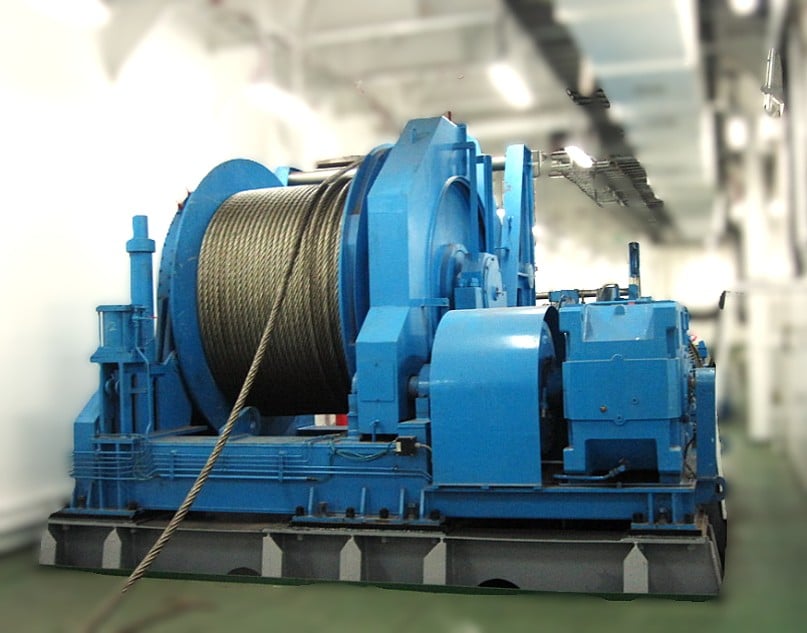
MacGregor equipment ordered for ultra-large Türkiye-built CLVs

In 60 seconds

Top move

Apache awarded Well‑Safe a multi‑year decommissioning package, creating immediate mobilization and execution demand that can tighten supplier availability for heavy equipment and services

Key takeaways

  • Apache awarded Well‑Safe a multi‑year decommissioning package, creating immediate mobilization and execution demand that can tighten supplier availability for heavy equipment and services.[1]
  • MacGregor booked a specialised deck‑machinery package for ultra‑large Türkiye‑built cable‑laying vessels, locking OEM capacity and shifting negotiation focus toward delivery terms and warranty mechanics rather than base price.
  • Across both stories the commercial pressure will likely show up as scheduling and term shifts (shorter quote validity, escalation/pass‑through asks, and standby/expedite fees) rather than transparent list‑price moves.
  • MacGregor’s order was recorded in Q1 and has delivery scheduled for 2027 with vessel operations expected later, which makes lead‑time and warranty extension conversations operationally relevant now.
  • Well‑Safe’s scope covers well project management, subsurface engineering and offshore delivery and is slated to start this year — meaning procurement should validate mobilization windows and subcontractor commitments against current LTSAs.[1]

What changed since last run

  • Added two new supplier‑level signals: Well‑Safe Solutions awarded Apache decommissioning work (article 2) and MacGregor equipment ordered for Türkiye‑built CLVs (article 3).
  • No reversal of prior watchlist items; these are additional, operationally focused supplier and lead‑time signals.

Key facts

  • Award covers well project management, well and subsurface engineering, and offshore delivery
  • Work slated to start this year
  • Multi‑year contract with Apache North Sea
  • Package includes offshore deck machinery and high‑performance vessel‑moving winches
  • Vessel construction at Tersan Shipyard with operations expected later

Why it matters

Apache awarded Well‑Safe a multi‑year decommissioning package, creating immediate mobilization and execution demand that can tighten supplier availability for heavy equipment and services. MacGregor booked a specialised deck‑machinery package for ultra‑large Türkiye‑built cable‑laying vessels, locking OEM capacity and shifting negotiation focus toward delivery terms and warranty mechanics rather than base price. Across both stories the commercial pressure will likely show up as scheduling and term shifts (shorter quote validity, escalation/pass‑through asks, and standby/expedite fees) rather than transparent list‑price moves. MacGregor’s order was recorded in Q1 and has delivery scheduled for 2027 with vessel operations expected later, which makes lead‑time and warranty extension conversations operationally relevant now

Cost / money

  • Decommissioning programmes commonly force expediting, standby, and substitution charges if suppliers cannot meet mobilization windows—expect increased pass‑through exposure on execution costs.[1]
  • OEM orders for specialised CLV deck machinery shift the money conversation toward contract term structure (escalators, shorter quote validity, warranty extensions) rather than simple unit‑price negotiation.

Supplier / commercial

  • Well‑Safe’s multi‑year engagement signals supplier prioritization of firms that can commit timing; buyers without firm slots risk lower priority or added cost to jump the queue.[1]
  • MacGregor’s booking via a local agent shows OEMs can capture order flow early through shipyard partnerships, reducing buyer leverage on lead‑time and forcing earlier scope confirmation.
  • Buyers should expect suppliers to bundle digital services, extended warranties, or integrated maintenance offers as negotiation levers—verify what is included versus add‑on paid services.[1]

Safety / operations

  • Decommissioning increases on‑site complexity; ensure LTSA and field support scopes cover decommissioning‑specific safety and subsurface engineering tasks to avoid scope gaps.[1]
  • Specialised deck machinery and high‑performance winches tie uptime to OEM spare parts and qualified technicians—plan spare pools, technical training, and escalation paths to protect operations.

What to watch

  • Suppliers may start inserting escalation or pass‑through clauses tied to input costs or delivery risk during negotiations—watch contract language for shifted volatility back to the buyer.
  • As mobilization windows approach, expect shorter quote validity and narrower commitment windows from suppliers; verify binding slots rather than relying on indicative timelines.[1]

Top stories

Story 1Offshore EnergyApr 23, 2026

Firm selected to decommission wells at North Sea field inaugurated in 1975

Signal strongSource-grounded

What happened

Aberdeen‑based Well‑Safe Solutions won a multi‑year contract to manage and execute decommissioning wells at the Forties field for Apache. The scope covers project management, well and subsurface engineering, and offshore delivery, with work scheduled to start this year. Watch supplier slotting, subcontractor commitments, and whether execution timing leads to increased expediting or substitution costs

Buyer takeaway

Treat this as a firm upcoming demand that will consume contractor capacity; confirm who has committed slots and which scopes remain open to competitive sourcing

Cost / money

Cost exposure is likely through expediting, standby, or substitution charges if supplier schedules tighten, rather than immediate list‑price inflation

Supplier / commercial

Suppliers with execution capacity will gain leverage; expect shorter quote windows and tighter negotiation room on timing and mobilization commitments

Safety / operations

Decommissioning raises subsurface and offshore safety responsibilities—ensure LTSA and field support scope explicitly address these tasks to avoid operational gaps

What to watch

Watch for suppliers narrowing commitment windows and inserting pass‑through or escalation clauses as mobilization approaches

Key facts

  • Award covers well project management, well and subsurface engineering, and offshore delivery
  • Work slated to start this year
  • Multi‑year contract with Apache North Sea

Source excerpts

Tighter availability often shows up later as expediting, standby, or substitution cost
This matters for Major Equipment OEM & LTSA because fresh price movement and input-cost detail should reset bid assumptions, parts indexation, and negotiation guardrails with 1975, 23, 2026 as the clearest commercial anchors; expect bundled digital services
Where supplier availability tightens, schedule pressure can spill into safety or quality risk if teams start accepting late substitutions or compressed mobilization windows. Watch lead times, crew or vessel allocation, and whether suppliers are quietly narrowing commitment windows before the next sourcing gate
Story 2Offshore EnergyApr 23, 2026

MacGregor equipment ordered for ultra-large Türkiye-built CLVs

Signal strongSource-grounded

What happened

MacGregor recorded an order for a specialised package of deck machinery and high‑performance winches for ultra‑large cable‑laying vessels being built in Türkiye. The order was booked into first‑quarter 2026 orders, with delivery scheduled for 2027 and vessel operations expected later, making lead‑time, warranty, and term negotiations immediately relevant. Monitor whether OEMs push for shorter quote validity, escalator clauses, or warranty/extension offers that shift volatility to the buyer

Buyer takeaway

This is a concrete lead‑time signal—confirm what is fixed (delivery dates, scope) and what remains negotiable (warranty, spare parts, escalation language)

Cost / money

Money pressure will likely surface as contract term mechanics (escalators, shorter quote validity, pass‑throughs) rather than simple unit‑price hikes

Supplier / commercial

OEMs can capture value through shipyard relationships and local agents, reducing buyer leverage on renegotiating lead‑times; insist on clear scope and liability boundaries

Safety / operations

Custom deck machinery increases uptime dependency on OEM spares and trained technicians—plan for spare provisioning and defined emergency support

What to watch

Watch for suppliers to propose warranty extensions priced as add‑ons or to narrow standard support windows as capacity is allocated

Key facts

  • Package includes offshore deck machinery and high‑performance vessel‑moving winches
  • Vessel construction at Tersan Shipyard with operations expected later

Source excerpts

Home Subsea MacGregor equipment ordered for ultra-large Türkiye-built CLVs April 23, 2026, by MacGregor’s package of offshore and merchant deck machinery has been ordered for ultra-large cable-laying vessels (CLVs) to be constructed in Türkiye. Source: MacGregor The specialized package will include offshore deck machinery tailored specifically for cable-laying activities and merchant deck machinery, high-performance vessel-moving winches designed for critical functions, including anchoring at roadsteads and ensu
The money issue may come through term structure rather than base price alone, especially if suppliers push for escalation language, shorter validity, or broader pass-through
This matters for Major Equipment OEM & LTSA because capacity and lead-time signals can move supplier prioritization, award timing, and contingency lanes with 23, 2026, 2027 as the clearest commercial anchors; buyers should plan for warranty extension offers

VP Snapshot

Executive Risk & Action View

Apache awarded Well‑Safe a multi‑year decommissioning package, creating immediate mobilization and execution demand that can tighten supplier availability for heavy equipment and services.

Overall
62
Cost
79
Supply
25
Schedule
56
Compliance
15

Top signals

30-180dcost

Signal 1: Cost / money

Decommissioning programmes commonly force expediting, standby, and substitution charges if suppliers cannot meet mobilization windows—expect increased pass‑through exposure on execution costs.

Signal 2: Cost / money

OEM orders for specialised CLV deck machinery shift the money conversation toward contract term structure (escalators, shorter quote validity, warranty extensions) rather than simple unit‑price negotiation.

Signal 3: Supplier / commercial

Well‑Safe’s multi‑year engagement signals supplier prioritization of firms that can commit timing; buyers without firm slots risk lower priority or added cost to jump the queue.

30-180dcommercial

Signal 4: Supplier / commercial

MacGregor’s booking via a local agent shows OEMs can capture order flow early through shipyard partnerships, reducing buyer leverage on lead‑time and forcing earlier scope confirmation.

Signal 5: Supplier / commercial

Buyers should expect suppliers to bundle digital services, extended warranties, or integrated maintenance offers as negotiation levers—verify what is included versus add‑on paid services.

30-180dsupplier

Signal 6: Safety / operations

Decommissioning increases on‑site complexity; ensure LTSA and field support scopes cover decommissioning‑specific safety and subsurface engineering tasks to avoid scope gaps.

Recommended actions

CategoryDue 3d

Map current supplier commitments and LTSA coverage for decommissioning and specialised deck‑machinery parts.

Updated supplier readiness matrix that highlights gaps in slots, spares, and technical support.

ContractsDue 21d

Ask MacGregor and other OEMs for written confirmation of delivery windows, warranty scope, and any proposed escalation or pass‑through language; request standard and extended wa...

Documented vendor positions on lead‑time, warranty, and escalation clauses to inform negotiation strategy.

ContractsDue 21d

Revise LTSA and purchasing templates for decommissioning work to cap open‑ended surcharges, define explicit standby/expedite rates, and lock mobilization slot commitments into c...

Contracts that limit pass‑through exposure and specify supplier obligations for mobilization and schedule adherence.

OpsDue 60d

Run a supplier contingency exercise to qualify fallback providers for heavy lift, cable‑laying support, and specialised deck machinery maintenance.

A validated contingency list with MOUs or short agreements to reduce expediting risk and secure alternative capacity.

CategoryDue 60d

Negotiate strategic spare‑parts pooling or on‑site support pilots with OEMs in exchange for longer terms or committed volume concessions.

Commercial offers for spare pooling or on‑site support that lower operational risk and clarify cost allocation.

Risk register

RiskTriggerMitigation
Suppliers may start inserting escalation or pass‑through clauses tied to input costs or delivery risk during negotiations—watch contract language for shifted volatility back to the buyer.Suppliers may start inserting escalation or pass‑through clauses tied to input costs or delivery risk during negotiations—watch contract language for shifted volatility back to the buyer.Confirm exposure with category, contracts, and operations before the next supplier commitment.
As mobilization windows approach, expect shorter quote validity and narrower commitment windows from suppliers; verify binding slots rather than relying on indicative timelines.As mobilization windows approach, expect shorter quote validity and narrower commitment windows from suppliers; verify binding slots rather than relying on indicative timelines.Confirm exposure with category, contracts, and operations before the next supplier commitment.

CM Snapshot

Category Manager Decision Detail

Today's priorities

Map current supplier commitments and LTSA coverage for decommissioning and specialised deck‑machinery parts.

because Apache’s award to Well‑Safe and MacGregor’s booked order create near‑term mobilization and lead‑time pressure that can expose gaps in existing LTSAs and spare‑parts cove...

Due 3d

high

CM move

Use this as the immediate supplier or contract action to move before the next sourcing gate.

Ask MacGregor and other OEMs for written confirmation of delivery windows, warranty scope, and any proposed escalation or pass‑through language; request standard and extended wa...

because the CLV equipment was booked into Q1 orders with delivery scheduled later, and suppliers commonly negotiate term changes once capacity is allocated.

Due 21d

high

CM move

Use this as the immediate supplier or contract action to move before the next sourcing gate.

Revise LTSA and purchasing templates for decommissioning work to cap open‑ended surcharges, define explicit standby/expedite rates, and lock mobilization slot commitments into c...

because Well‑Safe’s multi‑year decommissioning scope increases the chance of expediting or substitution charges unless commercial guardrails are tightened.

Due 21d

high

CM move

Use this as the immediate supplier or contract action to move before the next sourcing gate.

Run a supplier contingency exercise to qualify fallback providers for heavy lift, cable‑laying support, and specialised deck machinery maintenance.

because locked order books and multi‑year decommissioning schedules increase uptime dependency and the cost of last‑minute substitutions.

Due 60d

high

CM move

Use this as the immediate supplier or contract action to move before the next sourcing gate.

Supplier radar

Offshore Energy

high

Observed supplier signal

Well‑Safe’s multi‑year engagement signals supplier prioritization of firms that can commit timing; buyers without firm slots risk lower priority or added cost to jump the queue.

Commercial implication

Well‑Safe’s multi‑year engagement signals supplier prioritization of firms that can commit timing; buyers without firm slots risk lower priority or added cost to jump the queue.

Next step: Validate the source-backed signal with incumbents and alternates before the next award or pricing decision.

Offshore Energy

high

Observed supplier signal

MacGregor’s booking via a local agent shows OEMs can capture order flow early through shipyard partnerships, reducing buyer leverage on lead‑time and forcing earlier scope confirmation.

Commercial implication

MacGregor’s booking via a local agent shows OEMs can capture order flow early through shipyard partnerships, reducing buyer leverage on lead‑time and forcing earlier scope confirmation.

Next step: Validate the source-backed signal with incumbents and alternates before the next award or pricing decision.

Offshore Energy

high

Observed supplier signal

Buyers should expect suppliers to bundle digital services, extended warranties, or integrated maintenance offers as negotiation levers—verify what is included versus add‑on paid services.

Commercial implication

Buyers should expect suppliers to bundle digital services, extended warranties, or integrated maintenance offers as negotiation levers—verify what is included versus add‑on paid services.

Next step: Validate the source-backed signal with incumbents and alternates before the next award or pricing decision.

Negotiation levers

Map current supplier commitments and LTSA coverage for decommissioning and specialised deck‑machinery parts.

When to use: because Apache’s award to Well‑Safe and MacGregor’s booked order create near‑term mobilization and lead‑time pressure that can expose gaps in existing LTSAs and spare‑parts cove...

Expected outcome: Updated supplier readiness matrix that highlights gaps in slots, spares, and technical support.

Commercial mechanism to carry into the next supplier conversation

Ask MacGregor and other OEMs for written confirmation of delivery windows, warranty scope, and any proposed escalation or pass‑through language; request standard and extended wa...

When to use: because the CLV equipment was booked into Q1 orders with delivery scheduled later, and suppliers commonly negotiate term changes once capacity is allocated.

Expected outcome: Documented vendor positions on lead‑time, warranty, and escalation clauses to inform negotiation strategy.

Commercial mechanism to carry into the next supplier conversation

Revise LTSA and purchasing templates for decommissioning work to cap open‑ended surcharges, define explicit standby/expedite rates, and lock mobilization slot commitments into c...

When to use: because Well‑Safe’s multi‑year decommissioning scope increases the chance of expediting or substitution charges unless commercial guardrails are tightened.

Expected outcome: Contracts that limit pass‑through exposure and specify supplier obligations for mobilization and schedule adherence.

Commercial mechanism to carry into the next supplier conversation

Run a supplier contingency exercise to qualify fallback providers for heavy lift, cable‑laying support, and specialised deck machinery maintenance.

When to use: because locked order books and multi‑year decommissioning schedules increase uptime dependency and the cost of last‑minute substitutions.

Expected outcome: A validated contingency list with MOUs or short agreements to reduce expediting risk and secure alternative capacity.

Commercial mechanism to carry into the next supplier conversation

Talking points

Apache awarded Well‑Safe a multi‑year decommissioning package, creating immediate mobilization and execution demand that can tighten supplier availability for heavy equipment and services.
MacGregor booked a specialised deck‑machinery package for ultra‑large Türkiye‑built cable‑laying vessels, locking OEM capacity and shifting negotiation focus toward delivery terms and warranty mechanics rather than base price.
Across both stories the commercial pressure will likely show up as scheduling and term shifts (shorter quote validity, escalation/pass‑through asks, and standby/expedite fees) rather than transparent list‑price moves.
MacGregor’s order was recorded in Q1 and has delivery scheduled for 2027 with vessel operations expected later, which makes lead‑time and warranty extension conversations operationally relevant now.

Supplier radar

SupplierSignalImplicationNext stepConfidence
Offshore EnergyWell‑Safe’s multi‑year engagement signals supplier prioritization of firms that can commit timing; buyers without firm slots risk lower priority or added cost to jump the queue.Well‑Safe’s multi‑year engagement signals supplier prioritization of firms that can commit timing; buyers without firm slots risk lower priority or added cost to jump the queue.Validate the source-backed signal with incumbents and alternates before the next award or pricing decision.high
Offshore EnergyMacGregor’s booking via a local agent shows OEMs can capture order flow early through shipyard partnerships, reducing buyer leverage on lead‑time and forcing earlier scope confirmation.MacGregor’s booking via a local agent shows OEMs can capture order flow early through shipyard partnerships, reducing buyer leverage on lead‑time and forcing earlier scope confirmation.Validate the source-backed signal with incumbents and alternates before the next award or pricing decision.high
Offshore EnergyBuyers should expect suppliers to bundle digital services, extended warranties, or integrated maintenance offers as negotiation levers—verify what is included versus add‑on paid services.Buyers should expect suppliers to bundle digital services, extended warranties, or integrated maintenance offers as negotiation levers—verify what is included versus add‑on paid services.Validate the source-backed signal with incumbents and alternates before the next award or pricing decision.high

Negotiation levers

  • Map current supplier commitments and LTSA coverage for decommissioning and specialised deck‑machinery parts.because Apache’s award to Well‑Safe and MacGregor’s booked order create near‑term mobilization and lead‑time pressure that can expose gaps in existing LTSAs and spare‑parts cove...Updated supplier readiness matrix that highlights gaps in slots, spares, and technical support.

    high confidence

  • Ask MacGregor and other OEMs for written confirmation of delivery windows, warranty scope, and any proposed escalation or pass‑through language; request standard and extended wa...because the CLV equipment was booked into Q1 orders with delivery scheduled later, and suppliers commonly negotiate term changes once capacity is allocated.Documented vendor positions on lead‑time, warranty, and escalation clauses to inform negotiation strategy.

    high confidence

  • Revise LTSA and purchasing templates for decommissioning work to cap open‑ended surcharges, define explicit standby/expedite rates, and lock mobilization slot commitments into c...because Well‑Safe’s multi‑year decommissioning scope increases the chance of expediting or substitution charges unless commercial guardrails are tightened.Contracts that limit pass‑through exposure and specify supplier obligations for mobilization and schedule adherence.

    high confidence

  • Run a supplier contingency exercise to qualify fallback providers for heavy lift, cable‑laying support, and specialised deck machinery maintenance.because locked order books and multi‑year decommissioning schedules increase uptime dependency and the cost of last‑minute substitutions.A validated contingency list with MOUs or short agreements to reduce expediting risk and secure alternative capacity.

    high confidence

What to do / What to watch

What to do now

  • Map current supplier commitments and LTSA coverage for decommissioning and specialised deck‑machinery parts.

    Why: because Apache’s award to Well‑Safe and MacGregor’s booked order create near‑term mobilization and lead‑time pressure that can expose gaps in existing LTSAs and spare‑parts cove...

    Owner: Category

    Expected outcome: Updated supplier readiness matrix that highlights gaps in slots, spares, and technical support.

    [1]

Next few weeks

  • Ask MacGregor and other OEMs for written confirmation of delivery windows, warranty scope, and any proposed escalation or pass‑through language; request standard and extended wa...

    Why: because the CLV equipment was booked into Q1 orders with delivery scheduled later, and suppliers commonly negotiate term changes once capacity is allocated.

    Owner: Contracts

    Expected outcome: Documented vendor positions on lead‑time, warranty, and escalation clauses to inform negotiation strategy.

  • Revise LTSA and purchasing templates for decommissioning work to cap open‑ended surcharges, define explicit standby/expedite rates, and lock mobilization slot commitments into c...

    Why: because Well‑Safe’s multi‑year decommissioning scope increases the chance of expediting or substitution charges unless commercial guardrails are tightened.

    Owner: Contracts

    Expected outcome: Contracts that limit pass‑through exposure and specify supplier obligations for mobilization and schedule adherence.

    [1]

Longer view

  • Run a supplier contingency exercise to qualify fallback providers for heavy lift, cable‑laying support, and specialised deck machinery maintenance.

    Why: because locked order books and multi‑year decommissioning schedules increase uptime dependency and the cost of last‑minute substitutions.

    Owner: Ops

    Expected outcome: A validated contingency list with MOUs or short agreements to reduce expediting risk and secure alternative capacity.

    [1]
  • Negotiate strategic spare‑parts pooling or on‑site support pilots with OEMs in exchange for longer terms or committed volume concessions.

    Why: because specialised equipment for CLVs and decommissioning raises the value of pooled spares and on‑site support as a mechanism to reduce operational risk.

    Owner: Category

    Expected outcome: Commercial offers for spare pooling or on‑site support that lower operational risk and clarify cost allocation.

What to watch

  • Suppliers may start inserting escalation or pass‑through clauses tied to input costs or delivery risk during negotiations—watch contract language for shifted volatility back to the buyer
  • As mobilization windows approach, expect shorter quote validity and narrower commitment windows from suppliers; verify binding slots rather than relying on indicative timelines
  • Suppliers may start inserting escalation or pass‑through clauses tied to input costs or delivery risk during negotiations—watch contract language for shifted volatility back to the buyer.: Suppliers may start inserting escalation or pass‑through clauses tied to input costs or delivery risk during negotiations—watch contract language for shifted volatility back to the buyer
  • As mobilization windows approach, expect shorter quote validity and narrower commitment windows from suppliers; verify binding slots rather than relying on indicative timelines.: As mobilization windows approach, expect shorter quote validity and narrower commitment windows from suppliers; verify binding slots rather than relying on indicative timelines
  • Apache awarded Well‑Safe a multi‑year decommissioning package, creating immediate mobilization and execution demand that can tighten supplier availability for heavy equipment and services
  • MacGregor booked a specialised deck‑machinery package for ultra‑large Türkiye‑built cable‑laying vessels, locking OEM capacity and shifting negotiation focus toward delivery terms and warranty mechanics rather than base price
  • Across both stories the commercial pressure will likely show up as scheduling and term shifts (shorter quote validity, escalation/pass‑through asks, and standby/expedite fees) rather than transparent list‑price moves
  • MacGregor’s order was recorded in Q1 and has delivery scheduled for 2027 with vessel operations expected later, which makes lead‑time and warranty extension conversations operationally relevant now

Market pulse

IndexLatestChangeAs of
WTI Crude (WTI)71.23 /bbl+0.00 (+0.00%)Apr 23, 2026, 10:08 AM
Brent Crude (BRENT)74.89 /bbl+0.00 (+0.00%)Apr 23, 2026, 10:08 AM
Natural Gas (NG)3.12 /MMBtu+0.00 (+0.00%)Apr 23, 2026, 10:08 AM
Baker Hughes (BKR)32 +0.00 (+0.00%)Apr 23, 2026, 10:08 AM
GE Vernova (GEV)175 +0.00 (+0.00%)Apr 23, 2026, 10:08 AM
  • WTI Crude: Monitor crude price trends for potential input‑cost pass‑through pressure that suppliers may reference in escalation clauses
  • GE Vernova: Track GE Vernova and related OEM signals for similar equipment orderbook tightness and warranty/term pricing behavior as a comparator for MacGregor negotiations

Sources

Inline citations jump here. Expand a source to read the excerpt, the AI interpretation, and the original link.

[1] Firm selected to decommission wells at North Sea field inaugurated in 1975

offshore-energy.biz · Apr 23, 2026

Expand

AI reading

Aberdeen‑based Well‑Safe Solutions won a multi‑year contract to manage and execute decommissioning wells at the Forties field for Apache. The scope covers project management, well and subsurface engineering, and offshore delivery, with work scheduled to start this year. Watch supplier slotting, subcontractor commitments, and whether execution timing leads to increased expediting or substitution costs

Buyer takeaway

Treat this as a firm upcoming demand that will consume contractor capacity; confirm who has committed slots and which scopes remain open to competitive sourcing

Cost / money

Cost exposure is likely through expediting, standby, or substitution charges if supplier schedules tighten, rather than immediate list‑price inflation

Supplier / commercial

Suppliers with execution capacity will gain leverage; expect shorter quote windows and tighter negotiation room on timing and mobilization commitments

Safety / operations

Decommissioning raises subsurface and offshore safety responsibilities—ensure LTSA and field support scope explicitly address these tasks to avoid operational gaps

What to watch

Watch for suppliers narrowing commitment windows and inserting pass‑through or escalation clauses as mobilization approaches

Key facts

  • Award covers well project management, well and subsurface engineering, and offshore delivery
  • Work slated to start this year
  • Multi‑year contract with Apache North Sea

Source excerpts

Tighter availability often shows up later as expediting, standby, or substitution cost
This matters for Major Equipment OEM & LTSA because fresh price movement and input-cost detail should reset bid assumptions, parts indexation, and negotiation guardrails with 1975, 23, 2026 as the clearest commercial anchors; expect bundled digital services
Where supplier availability tightens, schedule pressure can spill into safety or quality risk if teams start accepting late substitutions or compressed mobilization windows. Watch lead times, crew or vessel allocation, and whether suppliers are quietly narrowing commitment windows before the next sourcing gate

Used in this brief

  • Cost / money: Decommissioning programmes commonly force expediting, standby, and substitution charges if suppliers cannot meet mobilization windows—expect increased pass‑through exposure on execution costs
  • Supplier / commercial: Buyers should expect suppliers to bundle digital services, extended warranties, or integrated maintenance offers as negotiation levers—verify what is included versus add‑on paid services
  • What to watch: As mobilization windows approach, expect shorter quote validity and narrower commitment windows from suppliers; verify binding slots rather than relying on indicative timelines
Open original source

[2] MacGregor equipment ordered for ultra-large Türkiye-built CLVs

offshore-energy.biz · Apr 23, 2026

Expand

AI reading

MacGregor recorded an order for a specialised package of deck machinery and high‑performance winches for ultra‑large cable‑laying vessels being built in Türkiye. The order was booked into first‑quarter 2026 orders, with delivery scheduled for 2027 and vessel operations expected later, making lead‑time, warranty, and term negotiations immediately relevant. Monitor whether OEMs push for shorter quote validity, escalator clauses, or warranty/extension offers that shift volatility to the buyer

Buyer takeaway

This is a concrete lead‑time signal—confirm what is fixed (delivery dates, scope) and what remains negotiable (warranty, spare parts, escalation language)

Cost / money

Money pressure will likely surface as contract term mechanics (escalators, shorter quote validity, pass‑throughs) rather than simple unit‑price hikes

Supplier / commercial

OEMs can capture value through shipyard relationships and local agents, reducing buyer leverage on renegotiating lead‑times; insist on clear scope and liability boundaries

Safety / operations

Custom deck machinery increases uptime dependency on OEM spares and trained technicians—plan for spare provisioning and defined emergency support

What to watch

Watch for suppliers to propose warranty extensions priced as add‑ons or to narrow standard support windows as capacity is allocated

Key facts

  • Package includes offshore deck machinery and high‑performance vessel‑moving winches
  • Vessel construction at Tersan Shipyard with operations expected later

Source excerpts

Home Subsea MacGregor equipment ordered for ultra-large Türkiye-built CLVs April 23, 2026, by MacGregor’s package of offshore and merchant deck machinery has been ordered for ultra-large cable-laying vessels (CLVs) to be constructed in Türkiye. Source: MacGregor The specialized package will include offshore deck machinery tailored specifically for cable-laying activities and merchant deck machinery, high-performance vessel-moving winches designed for critical functions, including anchoring at roadsteads and ensu
The money issue may come through term structure rather than base price alone, especially if suppliers push for escalation language, shorter validity, or broader pass-through
This matters for Major Equipment OEM & LTSA because capacity and lead-time signals can move supplier prioritization, award timing, and contingency lanes with 23, 2026, 2027 as the clearest commercial anchors; buyers should plan for warranty extension offers

Used in this brief

  • Apache awarded Well‑Safe a multi‑year decommissioning package, creating immediate mobilization and execution demand that can tighten supplier availability for heavy equipment and services. MacGregor booked a specialised deck‑machinery package for ultra‑large Türkiye‑built cable‑laying vessels, locking OEM capacity and shifting negotiation focus toward delivery terms and warranty mechanics rather than base price. Across both stories the commercial pressure will likely show up as scheduling and term shifts (shorter quote validity, escalation/pass‑through asks, and standby/expedite fees) rather than transparent list‑price moves. MacGregor’s order was recorded in Q1 and has delivery scheduled for 2027 with vessel operations expected later, which makes lead‑time and warranty extension conversations operationally relevant now
  • Cost / money: OEM orders for specialised CLV deck machinery shift the money conversation toward contract term structure (escalators, shorter quote validity, warranty extensions) rather than simple unit‑price negotiation
  • Supplier / commercial: Well‑Safe’s multi‑year engagement signals supplier prioritization of firms that can commit timing; buyers without firm slots risk lower priority or added cost to jump the queue
Open original source

[3] WTI Crude

finance.yahoo.com · n.d.

Expand

[4] GE Vernova

finance.yahoo.com · n.d.

Expand