IT, Telecom & Cyber · Australia (Perth)

Reassess Cloud AI Security Contracts and Channel Dependencies in APAC

Published Apr 23, 2026, 6:05 AM AWSTAPACFull category signal
Ask AI
Google Cloud unveils AI security tools & fraud defence

In 60 seconds

Top move

Google Cloud's new AI security agents and runtime protections shift more detection and model-control capabilities into the cloud provider stack, which changes what buyers should require in supplier SLAs and support scopes

Key takeaways

  • Google Cloud's new AI security agents and runtime protections shift more detection and model-control capabilities into the cloud provider stack, which changes what buyers should require in supplier SLAs and support scopes.
  • Automation inside Google (Gemini-assisted analysis) materially cuts manual investigation time, meaning buyers can expect different staffing and incident response dependencies from cloud-native security tools.
  • Akamai's APJ channel lead hire signals a stronger partner-first approach in the region; procurement should expect more partner-managed delivery paths and indirect onboarding timelines.[2]
  • Operational protections (Model Armour, confidential VMs, key-management previews) make vendor-managed runtime security a practical contract negotiation point rather than a roadmap promise.
  • Regional channel expansion is meaningful for route-to-market and servicing — it may improve local delivery but also move commercial terms into partner agreements rather than vendor master contracts (relevance moderate).[2]

What changed since last run

  • New vendor capability: Google Cloud announced AI-specific security agents and runtime model protections not covered in the prior brief, adding a vendor-side mitigation option against automated AI-driven intrusion tech...
  • Supplier route-to-market update: Akamai has elevated APJ channel leadership, increasing the likelihood that more APAC deals will route through partners rather than direct vendor engagements (article 3).

Key facts

  • Three new security agents introduced (Threat Hunting, Detection Engineering, Third-Party Cont
  • Google says existing Triage and Investigation agent processed more than 5 million alerts last
  • Gemini-assisted analysis reduced a typical 30-minute manual task to about 60 seconds in inter
  • Fiona Zhang named Regional VP, Channel Sales and Programs for APJ
  • Akamai states 90% of new APJ customers are onboarded through partners and two-thirds of regio

Why it matters

Google Cloud's new AI security agents and runtime protections shift more detection and model-control capabilities into the cloud provider stack, which changes what buyers should require in supplier SLAs and support scopes. Automation inside Google (Gemini-assisted analysis) materially cuts manual investigation time, meaning buyers can expect different staffing and incident response dependencies from cloud-native security tools. Akamai's APJ channel lead hire signals a stronger partner-first approach in the region; procurement should expect more partner-managed delivery paths and indirect onboarding timelines. Operational protections (Model Armour, confidential VMs, key-management previews) make vendor-managed runtime security a practical contract negotiation point rather than a roadmap promise

Cost / money

  • Bundled cloud AI security features can shift spend from third-party tool purchases to cloud provider services; procurement should inspect pass-through pricing and licensing scope.
  • Partner-led delivery from Akamai may change commercial packaging and margin layers, affecting total cost of ownership when buying via distributors or integrators.[2]

Supplier / commercial

  • Google's integrated agents increase vendor leverage on incident detection/response terms if buyers rely on Google's runtime protections instead of third-party tooling.
  • Akamai's channel push concentrates commercial negotiation with partners; expect more carve-outs, reseller-level SLAs, and partner-specific onboarding clauses.[2]
  • Where buyers migrate to provider-managed model protection, contract scope should clarify ownership of model integrity, rollbacks, and forensic data access.

Safety / operations

  • Faster, AI-assisted analysis reduces manual triage time and can improve mean time to detect, but creates dependency on vendor telemetry and automated signals for operational response.
  • If channel partners handle more deployment and managed services, operational consistency depends on partner capability and local staffing — validate partner MDR and service readiness.[2]

What to watch

  • Watch for single-vendor dependencies: adopting provider-integrated model protection may limit forensic visibility if contracts don't guarantee independent access to logs and telemetry.
  • Watch whether partner onboarding timelines lengthen or introduce extra validation steps as Akamai scales channel operations in APJ; that can affect go-live schedules for security projects.[2]
  • Watch pricing pass-throughs: new cloud security features in preview or GA can trigger reclassification of existing licensing or support fees — verify commercial treatment in renewals.

Top stories

Story 1SecurityBrief Australia

Google Cloud unveils AI security tools & fraud defence

Signal strongSource-grounded

What happened

Google Cloud announced a suite of AI-focused security products including three new security agents (Threat Hunting, Detection Engineering, Third-Party Context) plus runtime model protections under Model Armour. The vendor reports large-scale alert processing and says Gemini-assisted analysis can reduce a 30-minute manual task to roughly one minute in tests, making automation operationally real for SOC teams. Watch whether these preview features move quickly to GA and how providers price pass-throughs and telemetry access

Buyer takeaway

Treat these features as contract-level capabilities: they change detection ownership and affect third-party tool justification

Cost / money

May shift spend from standalone security products to provider services; check pricing pass-throughs and whether preview features will trigger additional fees

Supplier / commercial

Providers gain leverage if buyers rely on integrated agents; insist on telemetry access, SLA definitions, and migration/exit terms

Safety / operations

Operational dependency on provider signals increases; validate incident response playbooks and independent forensic access

What to watch

Preview status means capability and pricing can change; watch feature GA timing, pricing clauses, and required integrations

Key facts

  • Three new security agents introduced (Threat Hunting, Detection Engineering, Third-Party Cont
  • Google says existing Triage and Investigation agent processed more than 5 million alerts last
  • Gemini-assisted analysis reduced a typical 30-minute manual task to about 60 seconds in inter

Source excerpts

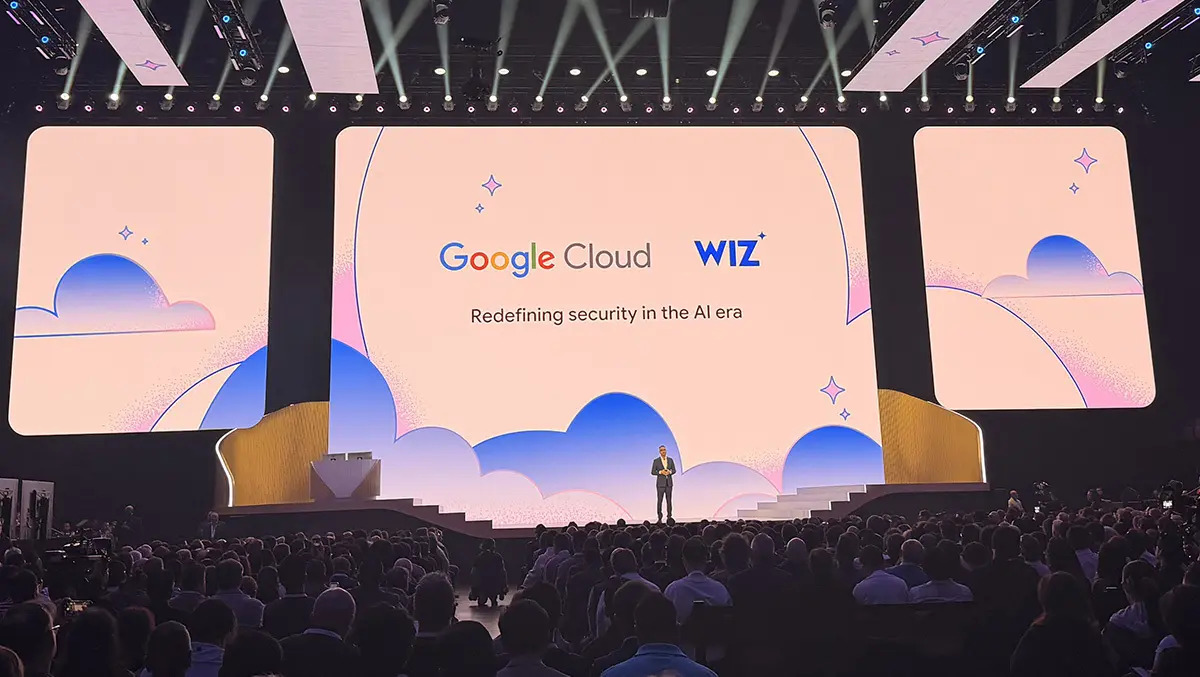
The announcements include new security agents in Google Security Operations and expanded security coverage through Wiz. The move broadens Google Cloud's security offering as companies adopt AI tools while facing more automated and coordinated cyber attacks
Google Cloud has unveiled a broad set of security products and updates aimed at AI systems, cloud workloads and online fraud. The announcements include new security agents in Google Security Operations and expanded security coverage through Wiz
Google cited research showing attackers are using AI to increase the speed and scale of intrusions, with threat actor hand-offs shrinking from hours to seconds in recent years. New Agents At the centre of the update are three new agents for Google Security Operations
Story 2SecurityBrief Australia

Akamai appoints Fiona Zhang to lead APJ channel sales

Signal moderateSource-grounded

What happened

Akamai appointed Fiona Zhang to lead APJ channel sales as the company pushes a channel-first go-to-market in Asia Pacific and Japan. The move is operationally real because Akamai already reports a high share of regional customers onboarding and servicing via partners, meaning more deals will be routed through resellers and integrators. Watch partner program changes and onboarding documentation that will affect procurement and SLA handoffs

Buyer takeaway

Prepare to shift negotiation focus to partners: contracts, SLAs, and onboarding playbooks may sit at the partner level rather than with Akamai directly

Cost / money

Indirect procurement can add margin layers and influence TCO; require transparent reseller pricing and pass-through arrangements

Supplier / commercial

Partners may set delivery SLAs and local terms; include partner-specific commitments in procurement evaluations

Safety / operations

Service consistency depends on partner capability and local staffing; require evidence of recent, relevant deployments

What to watch

Channel scaling can change onboarding timelines and introduce variability in support; verify partner certifications and references

Key facts

  • Fiona Zhang named Regional VP, Channel Sales and Programs for APJ
  • Akamai states 90% of new APJ customers are onboarded through partners and two-thirds of regio

Source excerpts

Channel expansion A unified partner scheme, Akamai Partner Connect, sits at the centre of this approach. The programme is designed to simplify how partners engage with Akamai and support partner-led sales growth across markets
His comments underscored the commercial importance of incentives and revenue opportunities in attracting and retaining channel partners in a competitive market. "Our channel ecosystem is fundamental to Akamai's growth strategy
Partners are taking on a bigger role not only in resale, but also in building service practices and advising customers on more complex digital and security needs. Channel expansion A unified partner scheme, Akamai Partner Connect, sits at the centre of this approach

VP Snapshot

Executive Risk & Action View

Google Cloud's new AI security agents and runtime protections shift more detection and model-control capabilities into the cloud provider stack, which changes what buyers should require in supplier SLAs and support scopes.

Overall
74
Cost
61
Supply
25
Schedule
20
Compliance
15

Top signals

30-180dcost

Signal 1: Cost / money

Bundled cloud AI security features can shift spend from third-party tool purchases to cloud provider services; procurement should inspect pass-through pricing and licensing scope.

Signal 2: Cost / money

Partner-led delivery from Akamai may change commercial packaging and margin layers, affecting total cost of ownership when buying via distributors or integrators.

30-180dcommercial

Signal 3: Supplier / commercial

Google's integrated agents increase vendor leverage on incident detection/response terms if buyers rely on Google's runtime protections instead of third-party tooling.

Signal 4: Supplier / commercial

Akamai's channel push concentrates commercial negotiation with partners; expect more carve-outs, reseller-level SLAs, and partner-specific onboarding clauses.

Signal 5: Supplier / commercial

Where buyers migrate to provider-managed model protection, contract scope should clarify ownership of model integrity, rollbacks, and forensic data access.

30-180dsupplier

Signal 6: Safety / operations

Faster, AI-assisted analysis reduces manual triage time and can improve mean time to detect, but creates dependency on vendor telemetry and automated signals for operational response.

Recommended actions

CategoryDue 3d

Map existing cloud security contracts to the new Google Cloud feature set to identify where provider-managed detection could replace or overlap current tools.

Clear list of overlapping capabilities and contract touch points to use in supplier discussions

ContractsDue 3d

Flag upcoming renewals currently reliant on third-party detection for legal and contracts teams for clause review (access to logs, forensic rights, SLAs).

Renewal checklist with required telemetry and SLA clauses to preserve operational control

CategoryDue 21d

Engage Akamai channel leads or appointed partners to validate partner SLAs, onboarding steps, and local staffing levels for any in-flight or planned Akamai buys.

Documented partner delivery model, SLA commitments, and onboarding timelines to include in purchase decisions

OpsDue 21d

Run a tabletop exercise with Ops using Google’s preview agents (or vendor demos) to validate incident workflows and identify telemetry/forensics gaps.

Actionable gap list for contract requirements and integration tasks

ContractsDue 60d

Redraft standard security annex language to include explicit clauses on model runtime protection, key management, and third-party context integration before major renewals.

Updated annex template that mandates access, audit rights, and pass-through pricing terms for provider-managed AI security features

CategoryDue 60d

Build partner qualification criteria for channel-supplied security services that include MDR capability, local staffing, and evidence of recent deployments in APAC.

Approved partner shortlist with qualification evidence to reduce onboarding risk

Risk register

RiskTriggerMitigation
Watch for single-vendor dependencies: adopting provider-integrated model protection may limit forensic visibility if contracts don't guarantee independent access to logs and telemetry.Watch for single-vendor dependencies: adopting provider-integrated model protection may limit forensic visibility if contracts don't guarantee independent access to logs and telemetry.Confirm exposure with category, contracts, and operations before the next supplier commitment.
Watch whether partner onboarding timelines lengthen or introduce extra validation steps as Akamai scales channel operations in APJ; that can affect go-live schedules for security projects.Watch whether partner onboarding timelines lengthen or introduce extra validation steps as Akamai scales channel operations in APJ; that can affect go-live schedules for security projects.Confirm exposure with category, contracts, and operations before the next supplier commitment.
Watch pricing pass-throughs: new cloud security features in preview or GA can trigger reclassification of existing licensing or support fees — verify commercial treatment in renewals.Watch pricing pass-throughs: new cloud security features in preview or GA can trigger reclassification of existing licensing or support fees — verify commercial treatment in renewals.Confirm exposure with category, contracts, and operations before the next supplier commitment.

CM Snapshot

Category Manager Decision Detail

Today's priorities

Map existing cloud security contracts to the new Google Cloud feature set to identify where provider-managed detection could replace or overlap current tools.

because Google announced new AI security agents and runtime protections that may duplicate third-party tooling, and mapping prevents blind overlap when renewing or extending ser...

Due 3d

high

CM move

Use this as the immediate supplier or contract action to move before the next sourcing gate.

Flag upcoming renewals currently reliant on third-party detection for legal and contracts teams for clause review (access to logs, forensic rights, SLAs).

because provider-integrated detection increases dependency on vendor telemetry, and renewal clauses should protect forensic access and response obligations

Due 3d

high

CM move

Use this as the immediate supplier or contract action to move before the next sourcing gate.

Engage Akamai channel leads or appointed partners to validate partner SLAs, onboarding steps, and local staffing levels for any in-flight or planned Akamai buys.

because Akamai is scaling APJ channel leadership and that changes who will deliver services and how onboarding will be managed

Due 21d

high

CM move

Use this as the immediate supplier or contract action to move before the next sourcing gate.

Run a tabletop exercise with Ops using Google’s preview agents (or vendor demos) to validate incident workflows and identify telemetry/forensics gaps.

because automation reduces manual triage time and creates new operational dependencies on vendor signals, and tabletop testing reveals integration gaps before procurement decisions

Due 21d

high

CM move

Use this as the immediate supplier or contract action to move before the next sourcing gate.

Supplier radar

SecurityBrief Australia

high

Observed supplier signal

Google's integrated agents increase vendor leverage on incident detection/response terms if buyers rely on Google's runtime protections instead of third-party tooling.

Commercial implication

Google's integrated agents increase vendor leverage on incident detection/response terms if buyers rely on Google's runtime protections instead of third-party tooling.

Next step: Validate the source-backed signal with incumbents and alternates before the next award or pricing decision.

SecurityBrief Australia

high

Observed supplier signal

Akamai's channel push concentrates commercial negotiation with partners; expect more carve-outs, reseller-level SLAs, and partner-specific onboarding clauses.

Commercial implication

Akamai's channel push concentrates commercial negotiation with partners; expect more carve-outs, reseller-level SLAs, and partner-specific onboarding clauses.

Next step: Validate the source-backed signal with incumbents and alternates before the next award or pricing decision.

SecurityBrief Australia

high

Observed supplier signal

Where buyers migrate to provider-managed model protection, contract scope should clarify ownership of model integrity, rollbacks, and forensic data access.

Commercial implication

Where buyers migrate to provider-managed model protection, contract scope should clarify ownership of model integrity, rollbacks, and forensic data access.

Next step: Validate the source-backed signal with incumbents and alternates before the next award or pricing decision.

Negotiation levers

Map existing cloud security contracts to the new Google Cloud feature set to identify where provider-managed detection could replace or overlap current tools.

When to use: because Google announced new AI security agents and runtime protections that may duplicate third-party tooling, and mapping prevents blind overlap when renewing or extending ser...

Expected outcome: Clear list of overlapping capabilities and contract touch points to use in supplier discussions

Commercial mechanism to carry into the next supplier conversation

Flag upcoming renewals currently reliant on third-party detection for legal and contracts teams for clause review (access to logs, forensic rights, SLAs).

When to use: because provider-integrated detection increases dependency on vendor telemetry, and renewal clauses should protect forensic access and response obligations

Expected outcome: Renewal checklist with required telemetry and SLA clauses to preserve operational control

Commercial mechanism to carry into the next supplier conversation

Engage Akamai channel leads or appointed partners to validate partner SLAs, onboarding steps, and local staffing levels for any in-flight or planned Akamai buys.

When to use: because Akamai is scaling APJ channel leadership and that changes who will deliver services and how onboarding will be managed

Expected outcome: Documented partner delivery model, SLA commitments, and onboarding timelines to include in purchase decisions

Commercial mechanism to carry into the next supplier conversation

Run a tabletop exercise with Ops using Google’s preview agents (or vendor demos) to validate incident workflows and identify telemetry/forensics gaps.

When to use: because automation reduces manual triage time and creates new operational dependencies on vendor signals, and tabletop testing reveals integration gaps before procurement decisions

Expected outcome: Actionable gap list for contract requirements and integration tasks

Commercial mechanism to carry into the next supplier conversation

Talking points

Google Cloud's new AI security agents and runtime protections shift more detection and model-control capabilities into the cloud provider stack, which changes what buyers should require in supplier SLAs and support scopes.
Automation inside Google (Gemini-assisted analysis) materially cuts manual investigation time, meaning buyers can expect different staffing and incident response dependencies from cloud-native security tools.
Akamai's APJ channel lead hire signals a stronger partner-first approach in the region; procurement should expect more partner-managed delivery paths and indirect onboarding timelines.
Operational protections (Model Armour, confidential VMs, key-management previews) make vendor-managed runtime security a practical contract negotiation point rather than a roadmap promise.

Supplier radar

SupplierSignalImplicationNext stepConfidence
SecurityBrief AustraliaGoogle's integrated agents increase vendor leverage on incident detection/response terms if buyers rely on Google's runtime protections instead of third-party tooling.Google's integrated agents increase vendor leverage on incident detection/response terms if buyers rely on Google's runtime protections instead of third-party tooling.Validate the source-backed signal with incumbents and alternates before the next award or pricing decision.high
SecurityBrief AustraliaAkamai's channel push concentrates commercial negotiation with partners; expect more carve-outs, reseller-level SLAs, and partner-specific onboarding clauses.Akamai's channel push concentrates commercial negotiation with partners; expect more carve-outs, reseller-level SLAs, and partner-specific onboarding clauses.Validate the source-backed signal with incumbents and alternates before the next award or pricing decision.high
SecurityBrief AustraliaWhere buyers migrate to provider-managed model protection, contract scope should clarify ownership of model integrity, rollbacks, and forensic data access.Where buyers migrate to provider-managed model protection, contract scope should clarify ownership of model integrity, rollbacks, and forensic data access.Validate the source-backed signal with incumbents and alternates before the next award or pricing decision.high

Negotiation levers

  • Map existing cloud security contracts to the new Google Cloud feature set to identify where provider-managed detection could replace or overlap current tools.because Google announced new AI security agents and runtime protections that may duplicate third-party tooling, and mapping prevents blind overlap when renewing or extending ser...Clear list of overlapping capabilities and contract touch points to use in supplier discussions

    high confidence

  • Flag upcoming renewals currently reliant on third-party detection for legal and contracts teams for clause review (access to logs, forensic rights, SLAs).because provider-integrated detection increases dependency on vendor telemetry, and renewal clauses should protect forensic access and response obligationsRenewal checklist with required telemetry and SLA clauses to preserve operational control

    high confidence

  • Engage Akamai channel leads or appointed partners to validate partner SLAs, onboarding steps, and local staffing levels for any in-flight or planned Akamai buys.because Akamai is scaling APJ channel leadership and that changes who will deliver services and how onboarding will be managedDocumented partner delivery model, SLA commitments, and onboarding timelines to include in purchase decisions

    high confidence

  • Run a tabletop exercise with Ops using Google’s preview agents (or vendor demos) to validate incident workflows and identify telemetry/forensics gaps.because automation reduces manual triage time and creates new operational dependencies on vendor signals, and tabletop testing reveals integration gaps before procurement decisionsActionable gap list for contract requirements and integration tasks

    high confidence

What to do / What to watch

What to do now

  • Map existing cloud security contracts to the new Google Cloud feature set to identify where provider-managed detection could replace or overlap current tools.

    Why: because Google announced new AI security agents and runtime protections that may duplicate third-party tooling, and mapping prevents blind overlap when renewing or extending ser...

    Owner: Category

    Expected outcome: Clear list of overlapping capabilities and contract touch points to use in supplier discussions

  • Flag upcoming renewals currently reliant on third-party detection for legal and contracts teams for clause review (access to logs, forensic rights, SLAs).

    Why: because provider-integrated detection increases dependency on vendor telemetry, and renewal clauses should protect forensic access and response obligations

    Owner: Contracts

    Expected outcome: Renewal checklist with required telemetry and SLA clauses to preserve operational control

Next few weeks

  • Engage Akamai channel leads or appointed partners to validate partner SLAs, onboarding steps, and local staffing levels for any in-flight or planned Akamai buys.

    Why: because Akamai is scaling APJ channel leadership and that changes who will deliver services and how onboarding will be managed

    Owner: Category

    Expected outcome: Documented partner delivery model, SLA commitments, and onboarding timelines to include in purchase decisions

    [2]
  • Run a tabletop exercise with Ops using Google’s preview agents (or vendor demos) to validate incident workflows and identify telemetry/forensics gaps.

    Why: because automation reduces manual triage time and creates new operational dependencies on vendor signals, and tabletop testing reveals integration gaps before procurement decisions

    Owner: Ops

    Expected outcome: Actionable gap list for contract requirements and integration tasks

Longer view

  • Redraft standard security annex language to include explicit clauses on model runtime protection, key management, and third-party context integration before major renewals.

    Why: because cloud providers are introducing runtime model protections and confidential VM features that should be contractually defined rather than assumed

    Owner: Contracts

    Expected outcome: Updated annex template that mandates access, audit rights, and pass-through pricing terms for provider-managed AI security features

  • Build partner qualification criteria for channel-supplied security services that include MDR capability, local staffing, and evidence of recent deployments in APAC.

    Why: because Akamai is emphasizing channel delivery in APJ and procurement needs objective criteria to choose partners that meet operational and safety requirements

    Owner: Category

    Expected outcome: Approved partner shortlist with qualification evidence to reduce onboarding risk

    [2]

What to watch

  • Watch for single-vendor dependencies: adopting provider-integrated model protection may limit forensic visibility if contracts don't guarantee independent access to logs and telemetry
  • Watch whether partner onboarding timelines lengthen or introduce extra validation steps as Akamai scales channel operations in APJ; that can affect go-live schedules for security projects
  • Watch pricing pass-throughs: new cloud security features in preview or GA can trigger reclassification of existing licensing or support fees — verify commercial treatment in renewals
  • Watch for single-vendor dependencies: adopting provider-integrated model protection may limit forensic visibility if contracts don't guarantee independent access to logs and telemetry.: Watch for single-vendor dependencies: adopting provider-integrated model protection may limit forensic visibility if contracts don't guarantee independent access to logs and telemetry
  • Watch whether partner onboarding timelines lengthen or introduce extra validation steps as Akamai scales channel operations in APJ; that can affect go-live schedules for security projects.: Watch whether partner onboarding timelines lengthen or introduce extra validation steps as Akamai scales channel operations in APJ; that can affect go-live schedules for security projects
  • Watch pricing pass-throughs: new cloud security features in preview or GA can trigger reclassification of existing licensing or support fees — verify commercial treatment in renewals.: Watch pricing pass-throughs: new cloud security features in preview or GA can trigger reclassification of existing licensing or support fees — verify commercial treatment in renewals
  • Google Cloud's new AI security agents and runtime protections shift more detection and model-control capabilities into the cloud provider stack, which changes what buyers should require in supplier SLAs and support scopes
  • Automation inside Google (Gemini-assisted analysis) materially cuts manual investigation time, meaning buyers can expect different staffing and incident response dependencies from cloud-native security tools

Market pulse

IndexLatestChangeAs of
Palo Alto (PANW)320 +0.00 (+0.00%)Apr 22, 2026, 10:06 PM
CrowdStrike (CRWD)285 +0.00 (+0.00%)Apr 22, 2026, 10:06 PM
Zscaler (ZS)195 +0.00 (+0.00%)Apr 22, 2026, 10:06 PM
Fortinet (FTNT)72 +0.00 (+0.00%)Apr 22, 2026, 10:06 PM
  • Palo Alto: Palo Alto dynamics reflect firewall and cloud-native security demand; relevant when evaluating cloud provider vs third-party tooling choices
  • CrowdStrike: CrowdStrike positioning signals continued buyer interest in MDR and endpoint detection — useful when assessing partner capabilities vs provider-managed detection

Sources

Inline citations jump here. Expand a source to read the excerpt, the AI interpretation, and the original link.

[1] Google Cloud unveils AI security tools & fraud defence

securitybrief.com.au · n.d.

Expand

AI reading

Google Cloud announced a suite of AI-focused security products including three new security agents (Threat Hunting, Detection Engineering, Third-Party Context) plus runtime model protections under Model Armour. The vendor reports large-scale alert processing and says Gemini-assisted analysis can reduce a 30-minute manual task to roughly one minute in tests, making automation operationally real for SOC teams. Watch whether these preview features move quickly to GA and how providers price pass-throughs and telemetry access

Buyer takeaway

Treat these features as contract-level capabilities: they change detection ownership and affect third-party tool justification

Cost / money

May shift spend from standalone security products to provider services; check pricing pass-throughs and whether preview features will trigger additional fees

Supplier / commercial

Providers gain leverage if buyers rely on integrated agents; insist on telemetry access, SLA definitions, and migration/exit terms

Safety / operations

Operational dependency on provider signals increases; validate incident response playbooks and independent forensic access

What to watch

Preview status means capability and pricing can change; watch feature GA timing, pricing clauses, and required integrations

Key facts

  • Three new security agents introduced (Threat Hunting, Detection Engineering, Third-Party Cont
  • Google says existing Triage and Investigation agent processed more than 5 million alerts last
  • Gemini-assisted analysis reduced a typical 30-minute manual task to about 60 seconds in inter

Source excerpts

The announcements include new security agents in Google Security Operations and expanded security coverage through Wiz. The move broadens Google Cloud's security offering as companies adopt AI tools while facing more automated and coordinated cyber attacks
Google Cloud has unveiled a broad set of security products and updates aimed at AI systems, cloud workloads and online fraud. The announcements include new security agents in Google Security Operations and expanded security coverage through Wiz
Google cited research showing attackers are using AI to increase the speed and scale of intrusions, with threat actor hand-offs shrinking from hours to seconds in recent years. New Agents At the centre of the update are three new agents for Google Security Operations

Used in this brief

  • Google Cloud's new AI security agents and runtime protections shift more detection and model-control capabilities into the cloud provider stack, which changes what buyers should require in supplier SLAs and support scopes. Automation inside Google (Gemini-assisted analysis) materially cuts manual investigation time, meaning buyers can expect different staffing and incident response dependencies from cloud-native security tools. Akamai's APJ channel lead hire signals a stronger partner-first approach in the region; procurement should expect more partner-managed delivery paths and indirect onboarding timelines. Operational protections (Model Armour, confidential VMs, key-management previews) make vendor-managed runtime security a practical contract negotiation point rather than a roadmap promise
  • Cost / money: Bundled cloud AI security features can shift spend from third-party tool purchases to cloud provider services; procurement should inspect pass-through pricing and licensing scope
  • Supplier / commercial: Google's integrated agents increase vendor leverage on incident detection/response terms if buyers rely on Google's runtime protections instead of third-party tooling
Open original source

[2] Akamai appoints Fiona Zhang to lead APJ channel sales

securitybrief.com.au · n.d.

Expand

AI reading

Akamai appointed Fiona Zhang to lead APJ channel sales as the company pushes a channel-first go-to-market in Asia Pacific and Japan. The move is operationally real because Akamai already reports a high share of regional customers onboarding and servicing via partners, meaning more deals will be routed through resellers and integrators. Watch partner program changes and onboarding documentation that will affect procurement and SLA handoffs

Buyer takeaway

Prepare to shift negotiation focus to partners: contracts, SLAs, and onboarding playbooks may sit at the partner level rather than with Akamai directly

Cost / money

Indirect procurement can add margin layers and influence TCO; require transparent reseller pricing and pass-through arrangements

Supplier / commercial

Partners may set delivery SLAs and local terms; include partner-specific commitments in procurement evaluations

Safety / operations

Service consistency depends on partner capability and local staffing; require evidence of recent, relevant deployments

What to watch

Channel scaling can change onboarding timelines and introduce variability in support; verify partner certifications and references

Key facts

  • Fiona Zhang named Regional VP, Channel Sales and Programs for APJ
  • Akamai states 90% of new APJ customers are onboarded through partners and two-thirds of regio

Source excerpts

Channel expansion A unified partner scheme, Akamai Partner Connect, sits at the centre of this approach. The programme is designed to simplify how partners engage with Akamai and support partner-led sales growth across markets
His comments underscored the commercial importance of incentives and revenue opportunities in attracting and retaining channel partners in a competitive market. "Our channel ecosystem is fundamental to Akamai's growth strategy
Partners are taking on a bigger role not only in resale, but also in building service practices and advising customers on more complex digital and security needs. Channel expansion A unified partner scheme, Akamai Partner Connect, sits at the centre of this approach

Used in this brief

  • Cost / money: Partner-led delivery from Akamai may change commercial packaging and margin layers, affecting total cost of ownership when buying via distributors or integrators
  • Supplier / commercial: Akamai's channel push concentrates commercial negotiation with partners; expect more carve-outs, reseller-level SLAs, and partner-specific onboarding clauses
  • Safety / operations: If channel partners handle more deployment and managed services, operational consistency depends on partner capability and local staffing — validate partner MDR and service readiness
Open original source

[3] Palo Alto

finance.yahoo.com · n.d.

Expand

[4] CrowdStrike

finance.yahoo.com · n.d.

Expand