OPINION: Twin shipping chokepoint crisis threatens Australian trade
What happened
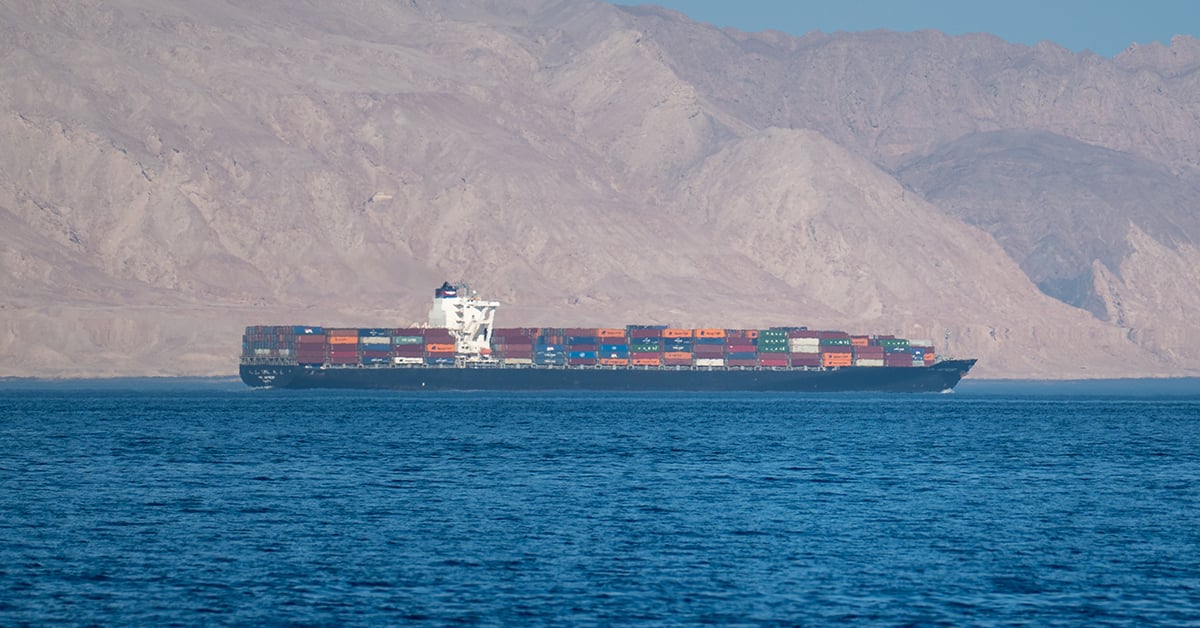
Image: Shutterstock Posted by Priyabrata Chowdhury & Sanjoy Paul | 9 April, 2026 It has been more than a month since the effective closure of the Strait of Hormuz, which carries about 20% of global oil and gas. The Houthis have a history of disrupting global trade, attacking commercial ships passing through Red Sea in 2023 and 2024. This matters for Logistics, Marine & Aviation because fresh price movement and input-cost detail should reset bid assumptions, fuel indexation, and negotiation guardrails with 9, 2026, 20 as the clearest commercial anchors; expect surcharge updates
Buyer takeaway
For Logistics, Marine & Aviation, this is mainly an availability and execution signal; sequencing, fallback coverage, and supplier responsiveness may matter more than list price
Cost / money
Tighter availability often shows up later as expediting, standby, or substitution cost. The immediate job is to see where delays could become avoidable spend
Supplier / commercial
Capacity pressure usually strengthens supplier leverage. Check who can still commit on timing, what backup coverage exists, and whether current contract language protects against slippage
Safety / operations
Where supplier availability tightens, schedule pressure can spill into safety or quality risk if teams start accepting late substitutions or compressed mobilization windows
What to watch
Watch lead times, crew or vessel allocation, and whether suppliers are quietly narrowing commitment windows before the next sourcing gate
Key facts
- Image: Shutterstock Posted by Priyabrata Chowdhury & Sanjoy Paul | 9 April, 2026 It has been
- The Houthis have a history of disrupting global trade, attacking commercial ships passing thr
- 6% of Australia’s medicaments and a significant percentage of pharmaceutical products are imp
- The disruption severely threatens Australia’s fertiliser supply, as 36% of our fertiliser pas