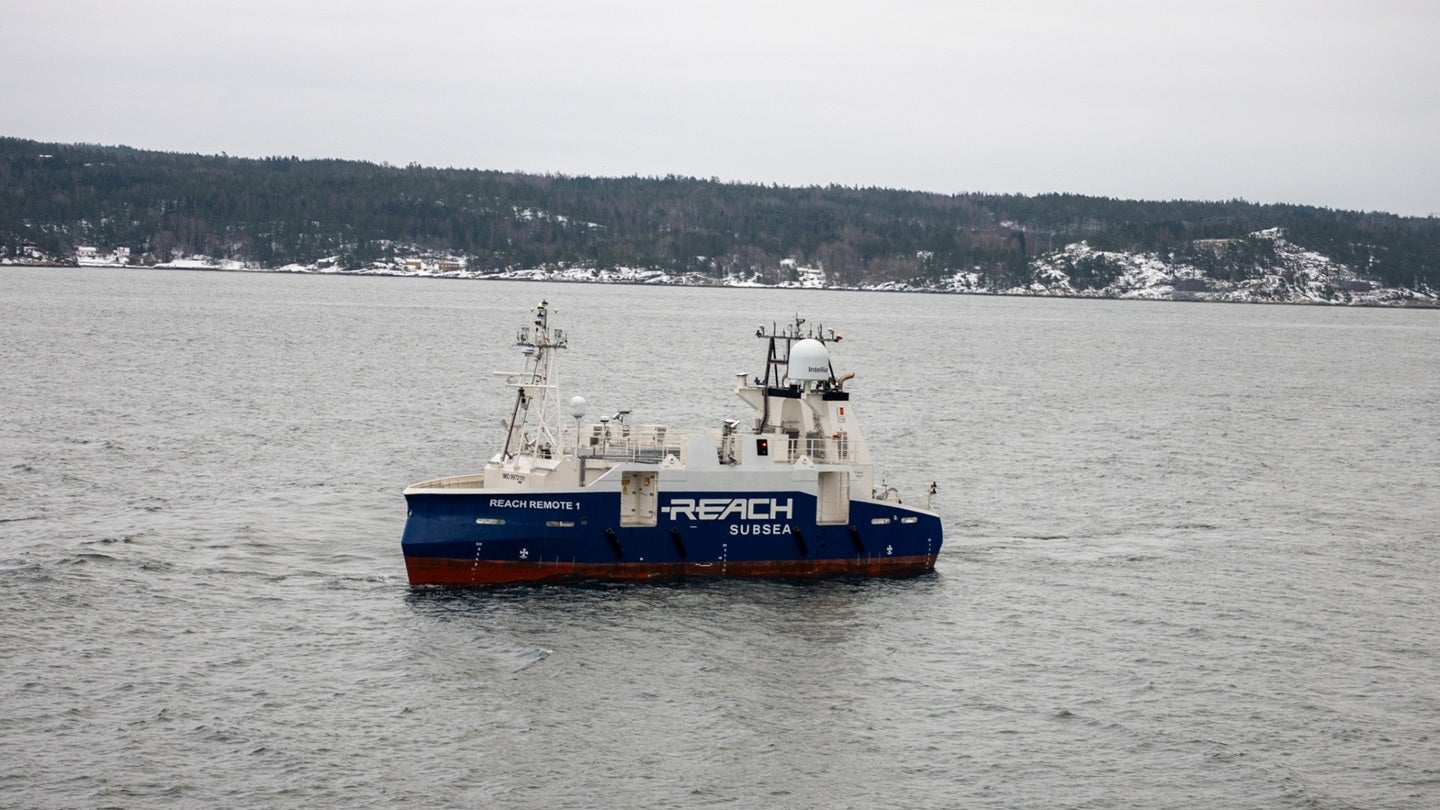
Equinor awards Reach Subsea two contracts for RR1 on NCS
What happened
The work is scheduled to run back-to-back, with most of the vessel spread’s capacity committed through Q2 and Q3 2026. RR1 is equipped for traditional survey activities including seabed mapping, pipeline inspection, geophysical work, and unexploded ordnance surveys. This matters for Drilling Services because capacity and lead-time signals can move supplier prioritization, award timing, and contingency lanes with 2026, 1, 36 as the clearest commercial anchors; buyers should plan for bundling offers
Buyer takeaway
For Drilling Services, this is a staffing-shape signal: remote operating models can shift work offsite and change which suppliers, systems, and service levels matter most
Cost / money
The cost angle is directional, not quantified: moving work offsite can cut travel, rotation, and accommodation exposure, but only if the remote setup stays reliable
Supplier / commercial
Expect scope to move toward software support, communications uptime, cyber obligations, and clearer downtime liability instead of only offshore headcount or hardware supply
Safety / operations
Fewer people offshore can reduce exposure and emergency-response load, but the operating model becomes more dependent on connectivity resilience, remote support readiness, and cyber hygiene
What to watch
Watch for connectivity reliability, remote-support response times, and whether the operating model can safely revert onsite if needed
Key facts
- The work is scheduled to run back-to-back, with most of the vessel spread’s capacity committe
- RR1 is equipped for traditional survey activities including seabed mapping, pipeline inspecti
- Reach Subsea has secured two new contracts from Equinor with both projects to be carried out
- It will involve the deployment of Reach Subsea’s gWatch technology, which is currently used a