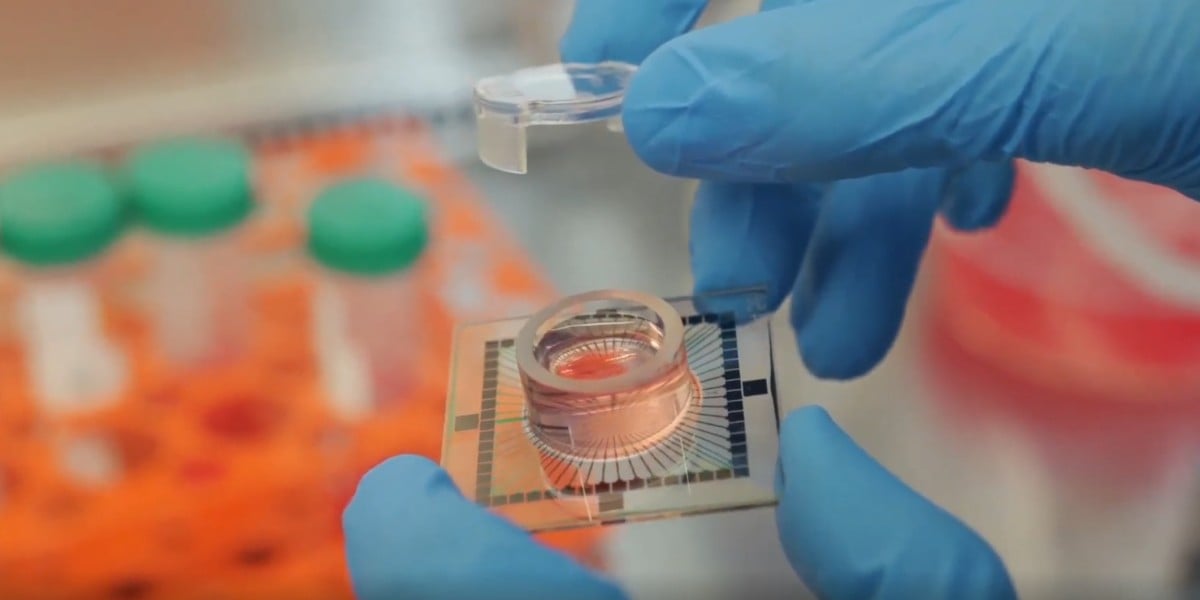
Inside the datacenter where the day starts with topping up cerebrospinal fluid
What happened
“We remove the fluid every 24 hours,” Cortical Labs CEO and founder Hon Weng Chong told The Register, because the living neurons that power the company’s computers deplete the level of oxygen and glucose in the liquid. Chong said the company adds nitrogen and carbon dioxide so the atmosphere around its computers comprises around five percent oxygen – prime conditions for biological computers to operate. This matters for IT, Telecom & Cyber because fresh price movement and input-cost detail should reset bid assumptions, breach response slas, and negotiation guardrails with 24, 120, 1 as the clearest commercial anchors; expect renewal uplift asks
Buyer takeaway
For IT, Telecom & Cyber, this is a staffing-shape signal: remote operating models can shift work offsite and change which suppliers, systems, and service levels matter most
Cost / money
The cost angle is directional, not quantified: moving work offsite can cut travel, rotation, and accommodation exposure, but only if the remote setup stays reliable
Supplier / commercial
Expect scope to move toward software support, communications uptime, cyber obligations, and clearer downtime liability instead of only offshore headcount or hardware supply
Safety / operations
Fewer people offshore can reduce exposure and emergency-response load, but the operating model becomes more dependent on connectivity resilience, remote support readiness, and cyber hygiene
What to watch
Watch bandwidth resilience, latency tolerance, cyber obligations, and who carries downtime cost if the remote link drops
Key facts
- “We remove the fluid every 24 hours,” Cortical Labs CEO and founder Hon Weng Chong told The R
- Chong said the company adds nitrogen and carbon dioxide so the atmosphere around its computer
- The company racked and stacked 120 CL1 units and created an API and interface that allows use
- Chong said most users will rent three or four CL 1 units, because their work is experimental