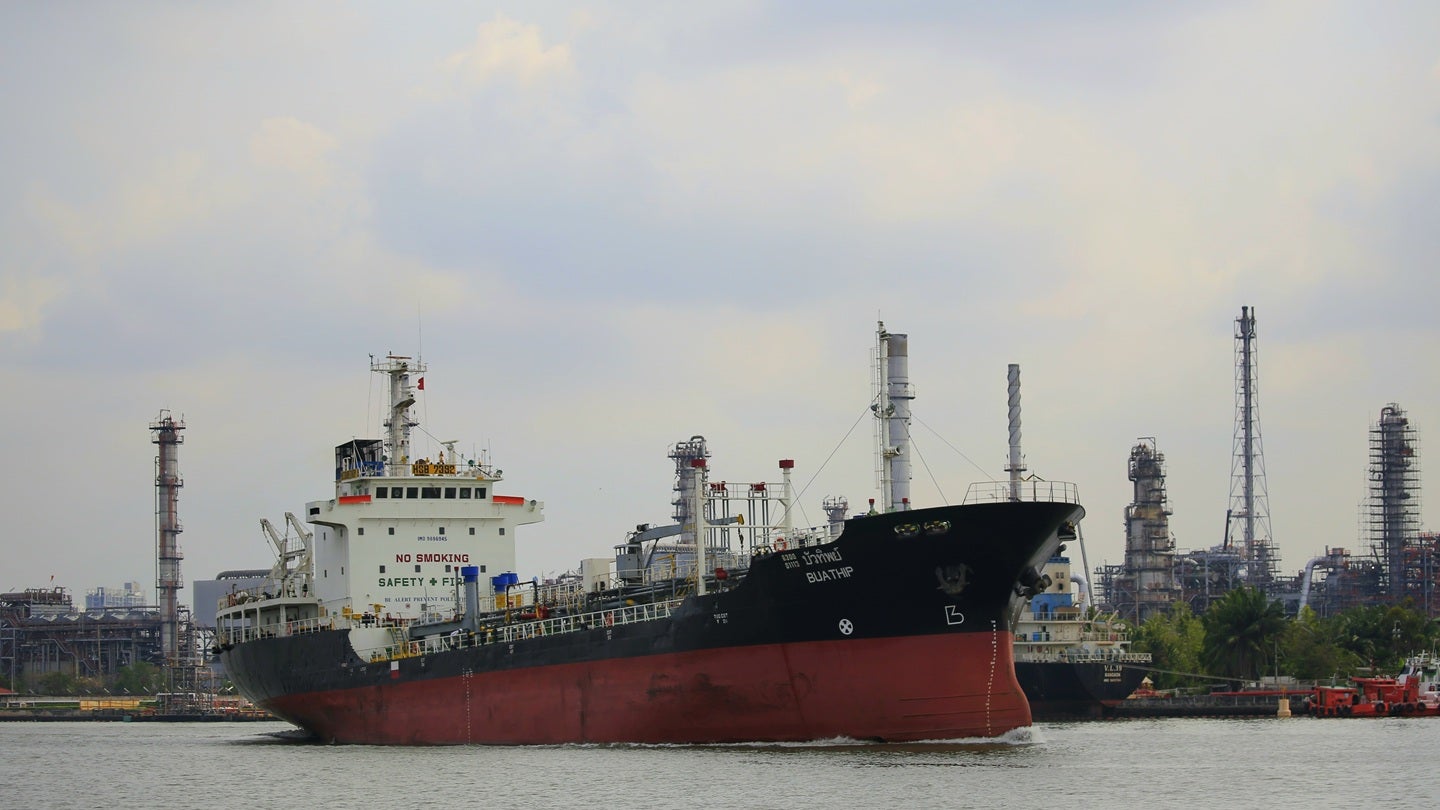
Strait of Hormuz disruption sends global oil benchmarks higher
What happened
Global oil prices rose sharply on Monday following Iranian strikes across the Middle East, which disrupted shipping through the Strait of Hormuz. Discover B2B Marketing That Performs Combine business intelligence and editorial excellence to reach engaged professionals across 36 leading media platforms. This matters for Market Dashboard because fresh price movement and input-cost detail should reset bid assumptions, indexation triggers, and negotiation guardrails with 36, 13, 82.37 as the clearest commercial anchors; expect price guidance shifts
Buyer takeaway
For Market Dashboard, treat this as a cost-boundary signal rather than just a headline; buyer assumptions may need refreshing before the next quote or award decision
Cost / money
Use this to refresh should-cost views and challenge any fast repricing. Keep the read-through directional unless the source itself provides hard commercial numbers
Supplier / commercial
Suppliers with fresh cost justification may push harder on reopeners, indexation, shorter quote validity, or pass-through language. Buyers should separate real drivers from negotiation posture
Safety / operations
The operational risk is indirect: tight budgets or repricing battles often reappear later as reduced slack, substitutions, or execution compromises that buyers then have to manage
What to watch
Watch for shorter quote validity, reopeners, pass-through requests, or attempts to reset pricing on the back of weak evidence
Key facts
- Global oil prices rose sharply on Monday following Iranian strikes across the Middle East, wh
- Discover B2B Marketing That Performs Combine business intelligence and editorial excellence t
- 37 per barrel (bbl) at their peak, a level not observed since January 2025, before retreating
- US West Texas Intermediate (WTI) crude also climbed more than 12% intraday to $75