Electric actuation: a gamechanger for upstream processes
What happened
The International Energy Agency has warned that the oil and gas industry needs to reduce its emissions by 60% by 2030 to align itself with a global rise in temperatures of just 1. 1 Fortunately, it believes the sector is well placed to scale up some crucial technologies for the clean energy transition. This matters for Wells Materials & OCTG because fresh price movement and input-cost detail should reset bid assumptions, indexation to hrc, and negotiation guardrails with 60, 2030, 1.5 as the clearest commercial anchors; expect quota tightness
Buyer takeaway
For Wells Materials & OCTG, this is a staffing-shape signal: remote operating models can shift work offsite and change which suppliers, systems, and service levels matter most
Cost / money
The cost angle is directional, not quantified: moving work offsite can cut travel, rotation, and accommodation exposure, but only if the remote setup stays reliable
Supplier / commercial
Expect scope to move toward software support, communications uptime, cyber obligations, and clearer downtime liability instead of only offshore headcount or hardware supply
Safety / operations
Fewer people offshore can reduce exposure and emergency-response load, but the operating model becomes more dependent on connectivity resilience, remote support readiness, and cyber hygiene
What to watch
Watch for connectivity reliability, remote-support response times, and whether the operating model can safely revert onsite if needed
Key facts
- The International Energy Agency has warned that the oil and gas industry needs to reduce its
- 1 Fortunately, it believes the sector is well placed to scale up some crucial technologies fo
- But these emissions can be reduced by more than 75%2 with simple solutions such as leak detec
- More than 260 billion cubic metres (bcm) of natural gas is wasted through flaring and methane
Source excerpts
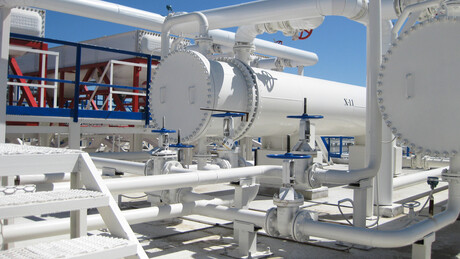
Improving energy efficiency and reducing costs Electric actuators are suitable for upstream applications such as gas metering, production trees, processing, saltwater disposal and gas lift systems
A reliable and adequate supply of high-quality lift gas is required for the gas lift system to work correctly
Using self-contained electric actuators instead of pneumatic solutions not only helps to reduce methane emissions but results in cost savings and increased operational efficiency